
General educational information. This article does not provide a diagnosis or a personal treatment plan. No medical review is claimed. Our medical review policy.
Nipah virus remains one of the most concerning emerging infectious diseases, with a high mortality rate and pandemic potential. Learn how this zoonotic virus spreads, recognize early warning signs, and discover evidence-based prevention strategies to protect your health.
The world of infectious diseases continues to evolve, and with it comes the emergence of novel pathogens that challenge our healthcare systems and public health infrastructure. Among these serious threats stands Nipah virus, a name that has appeared in global health headlines multiple times since its discovery. Understanding this virus its origins, how it spreads, its symptoms, and most importantly, how to prevent infection is crucial for anyone concerned about their health and that of their community.
This comprehensive guide explores everything you need to know about Nipah virus infection, from early warning signs to practical prevention strategies. Whether you're a healthcare professional, a concerned parent, or simply someone interested in disease awareness and preventive health, this article will equip you with knowledge backed by medical science and global health research.
What Is Nipah Virus?
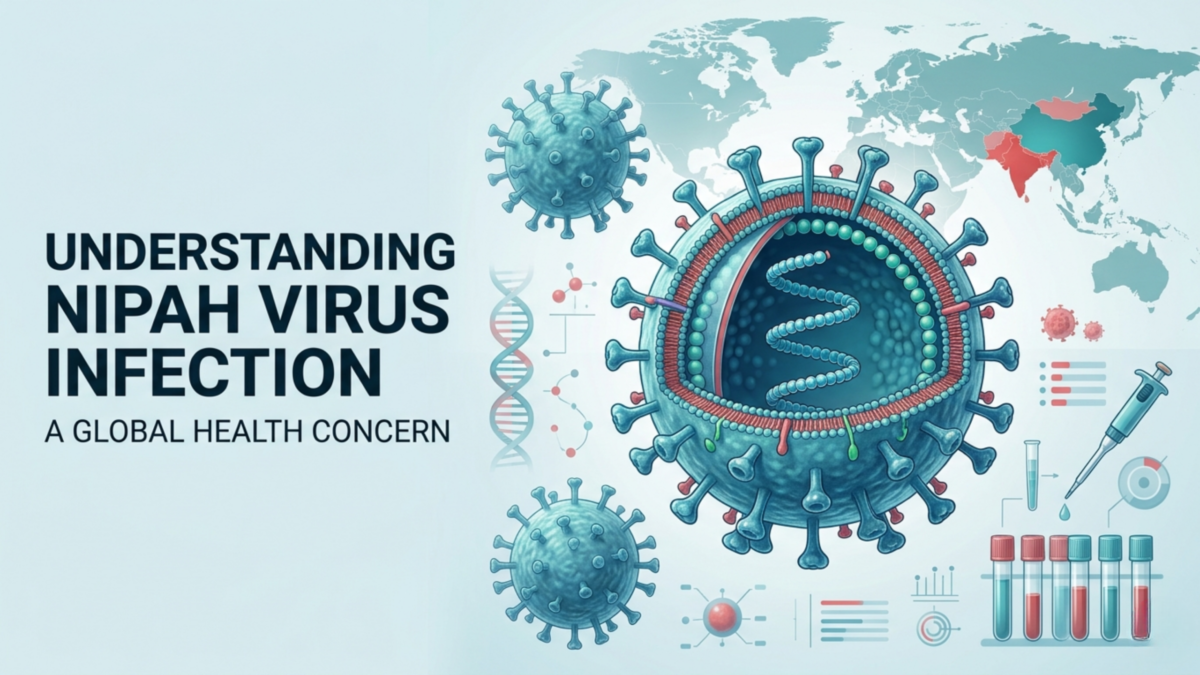
Nipah virus is an RNA virus that belongs to the genus Henipavirus within the family Paramyxoviridae. It was first discovered in 1999 during an outbreak in Malaysia, where it affected pig farmers and veterinary workers. The virus is classified as a zoonotic virus, meaning it naturally originates in animals and can transmit to humans.
The primary animal reservoir for Nipah virus is the fruit bat, particularly species belonging to the Pteropus genus. These bats, often called flying foxes, are found throughout South Asia and Southeast Asia and carry the virus without developing severe illness themselves. This makes them efficient carriers that can shed the virus into their environment.
What makes Nipah virus particularly concerning is its ability to jump from animals to humans and then spread between infected people. The virus has a relatively high mortality rate, ranging from 40% to 75% depending on the strain and quality of medical care available. This severity, combined with its pandemic potential, classifies it as a biosafety level 4 pathogen the highest category for dangerous pathogens.
Over the past two decades, Nipah virus outbreaks have occurred in Bangladesh, India, Malaysia, and Singapore, claiming hundreds of lives and drawing international attention from the World Health Organization and health authorities worldwide.
Early Symptoms of Nipah Virus Infection
Recognizing Nipah virus symptoms in their early stages can be lifesaving. The incubation period the time between infection and symptom onset typically ranges from 4 to 21 days, with an average of about 10 days. This relatively long incubation period means infected individuals might unknowingly spread the virus during the initial phase.
The early signs of infection are often subtle and resemble common illnesses, which can lead to delayed diagnosis:
- Fever & Chills: Usually the first sign, ranging from 38°C to 40°C (100°F to 104°F), often accompanied by chills and malaise.
- Severe Headache: Persistent head pain, often concentrated at the front of the head, may worsen over days.
- Muscle & Joint Pain: General body aches and myalgia throughout the muscles, particularly in the back and limbs.
- Respiratory Symptoms: Cough, sore throat, and difficulty breathing may develop within the first few days.
- Gastrointestinal Issues: Nausea, vomiting, and abdominal pain are common early symptoms.
- Extreme Fatigue: Overwhelming tiredness and weakness that prevents normal daily activities.
The importance of early detection cannot be overstated. When individuals seek medical attention early and receive supportive care including proper hydration, oxygen support, and symptomatic treatment outcomes improve significantly. If you experience these symptoms and have been in contact with animals, traveled to endemic regions, or had contact with an infected person, seek medical evaluation immediately.
Severe Symptoms and Complications
As Nipah virus infection progresses, symptoms can become severe and life-threatening. This is when the virus demonstrates its dangerous nature:
- Encephalitis (Brain Inflammation): The virus can cross the blood-brain barrier and infect the brain, causing inflammation. This leads to severe headache, confusion, disorientation, and altered consciousness.
- Respiratory Distress: The virus attacks the respiratory tract, causing pneumonia, bronchitis, and acute respiratory distress syndrome (ARDS). Patients may require mechanical ventilation to survive.
- Neurological Complications: Seizures, tremors, involuntary movements, and in severe cases, coma can occur as the virus affects the central nervous system.
- Multi-Organ Failure: The virus can damage multiple organs simultaneously, including the kidneys, heart, and liver, leading to fatal complications.
- Atypical Pneumonia: A distinctive feature of severe Nipah infection is rapidly progressive pneumonia that can overwhelm the respiratory system within days.
These severe complications underscore why prevention is far more effective than treatment. While supportive medical care can help some patients recover, no specific antiviral treatment exists, making prevention and early intervention absolutely critical.
Causes of Nipah Virus Infection
Understanding what causes Nipah virus infection helps clarify how to avoid it. The virus doesn't emerge spontaneously; rather, specific conditions and exposures lead to infection:
Primary Animal Reservoir
Fruit bats (Pteropus species) are the natural hosts carrying Nipah virus. These animals shed the virus through saliva, urine, and feces without showing signs of illness. They're found primarily in South Asia, Southeast Asia, Australia, and parts of Africa.
Intermediate Animal Hosts
In some outbreaks, particularly in Malaysia in 1999, pigs served as intermediate hosts. Infected pigs developed respiratory symptoms and readily transmitted the virus to humans, especially pig farmers and veterinary workers. This outbreak was controlled through massive pig culling.
Contaminated Food Sources
One of the most common transmission routes in Bangladesh involves consuming date palm sap contaminated with bat saliva. Infected bats feeding on date palms leave virus-laden secretions that humans then ingest.
Direct Contact with Infected Individuals
Once a human is infected, the virus can spread to others through direct contact with blood, body fluids, respiratory secretions, or urine of infected persons.
How Nipah Virus Spreads
Nipah virus transmission occurs through several routes, and understanding each is essential for prevention:
Bat-to-Human Transmission
Direct contact with infected fruit bats or their secretions can transmit the virus. However, most people don't have direct contact with bats. Instead, consumption of contaminated foods particularly date palm sap, raw fruits bitten by infected bats, or juice made from contaminated fruits poses the greatest risk.
Animal-to-Human Transmission
Close contact with infected animals, including pigs, cats, and dogs, can lead to infection. During the Malaysian outbreak, workers in pig farms were at highest risk. Slaughtering or preparing infected animals without proper protective equipment substantially increases transmission risk.
Human-to-Human Transmission
Person-to-person transmission occurs through respiratory droplets and direct contact with infected individuals' body fluids. Healthcare workers face particular risk during patient care, as the virus is highly transmissible in hospital settings. Patients with cough, sneeze, or other respiratory symptoms shed infectious droplets into the air, which others can inhale.
Hospital-Associated Transmission
Medical settings have witnessed explosive outbreaks when infection control measures are inadequate. Without proper use of personal protective equipment (PPE) like N95 masks, gloves, and gowns, healthcare workers face extreme risk. Contaminated surfaces and medical equipment can also transmit the virus.
KEY POINT ON TRANSMISSION
Nipah virus is NOT airborne over long distances like influenza. It spreads through respiratory droplets (requiring close contact) and direct contact with body fluids. This means most community transmission requires relatively close contact with an infected person.
Nipah Virus Outbreak Risks and Global Concern
Since 1999, Nipah virus outbreak incidents have demonstrated the virus's dangerous pandemic potential:
- Malaysia (1999): The original outbreak affected over 250 people with 40% mortality rate. Pig farming was identified as the transmission mechanism.
- Bangladesh & India (2001-Present): Recurring outbreaks, primarily through contaminated date palm sap consumption, with mortality rates reaching 75%.
- High Mortality Rate: Unlike many viruses with mortality below 1%, Nipah virus kills 40-75% of infected persons, making each case a serious public health concern.
- Pandemic Potential: The virus's ability to transmit between humans, combined with its high lethality and lack of specific treatment, makes it a potential pandemic pathogen if it mutates to become more transmissible.
GLOBAL HEALTH SURVEILLANCE ALERT
The World Health Organization closely monitors Nipah virus and has included it on the list of priority pathogens for research and vaccine development. Climate change and habitat disruption may increase contact between bats and human populations, potentially increasing outbreak risk.
How to Prevent Nipah Virus Infection
Since no specific cure exists, Nipah virus prevention is your best protection. Here are practical, evidence-based strategies:
Avoid Contaminated Food Sources
- Do not consume raw date palm sap, particularly in endemic regions. If drinking date palm products, ensure they come from sealed, commercially processed sources.
- Wash fruits thoroughly before eating, especially fruits that may have been exposed to bats.
- Avoid consuming fallen fruits or produce with visible animal bites.
- Peel fruits before eating when in high-risk areas.
Minimize Animal Exposure
- Avoid direct contact with bats, pigs, and other animals in regions with known outbreaks.
- When handling animals, wear protective equipment including gloves and, if possible, masks.
- Ensure proper ventilation when working in animal facilities.
- Practice rigorous hand hygiene after any animal contact.
Maintain Strict Hygiene Practices
- Wash hands frequently with soap and clean water, particularly before eating and after animal contact.
- Cover coughs and sneezes with tissue or elbow, disposing of tissues properly.
- Avoid touching face, eyes, and mouth with unwashed hands.
- Clean and disinfect surfaces regularly, especially in healthcare settings.
Healthcare and Hospital Safety
- Healthcare workers must use appropriate PPE including N95 masks, gloves, gowns, and eye protection when caring for suspected cases.
- Implement strict infection control protocols in medical facilities.
- Isolate suspected or confirmed cases in negative-pressure rooms when available.
- Use dedicated medical equipment for each patient to prevent cross-contamination.
Community and Public Health Measures
- Stay informed about outbreaks in your region through official health authorities.
- Report suspected cases to local health departments immediately.
- Follow public health guidance and recommendations during outbreak periods.
- Support bat conservation efforts that maintain natural ecosystems and reduce human-bat contact.
Natural Ways to Support Your Immune System
While prevention remains paramount, maintaining a robust immune system provides your body with the best defense against infections. These evidence-based, natural approaches support immune function:
Nutritional Support for Immunity
A balanced diet rich in nutrients is foundational for immune health. Focus on:
- Vitamin C-Rich Foods: Citrus fruits, berries, bell peppers, and leafy greens support white blood cell function and antibody production. Aim for 75-90 mg daily from food sources.
- Vitamin D: This crucial nutrient regulates immune response. Sun exposure, fatty fish, egg yolks, and fortified foods provide vitamin D. Studies show optimal levels strengthen antiviral immunity.
- Zinc: Essential for immune cell development, found in pumpkin seeds, cashews, chickpeas, and lean meats. Deficiency significantly impairs immune response.
- Selenium: This mineral activates antiviral defense mechanisms. Brazil nuts, tuna, and whole grains are excellent sources.
- Iron: Necessary for immune cell maturation and function. Include lean meats, lentils, and dark leafy greens.
Immune-Boosting Spices and Herbs
- Turmeric (Curcumin): The active compound curcumin has potent anti-inflammatory and antiviral properties. Studies demonstrate its ability to modulate immune response. Consume with black pepper for enhanced absorption.
- Garlic: Contains allicin, a compound with antimicrobial and immunomodulatory effects. Fresh, raw garlic offers maximum benefits. Include regularly in meals.
- Ginger: Gingerol compounds in ginger exhibit anti-inflammatory properties and support immune cell function. Use fresh ginger in teas, cooking, or supplements.
- Echinacea: Research suggests this herb may reduce cold duration and severity by enhancing immune response. Consume as tea or supplement at first signs of illness.
- Elderberry: Studies show elderberry extracts may reduce duration and severity of respiratory infections by supporting natural antiviral defenses.
Lifestyle Factors Supporting Immunity
- Regular Physical Activity: Moderate exercise about 150 minutes weekly of brisk walking, cycling, or swimming enhances immune cell circulation and function. Avoid excessive exercise, which can temporarily suppress immunity.
- Quality Sleep: During sleep, your immune system releases cytokines that fight infection. Adults need 7-9 hours nightly. Poor sleep weakens immune response substantially.
- Stress Management: Chronic stress impairs immune function through cortisol elevation. Practice meditation, yoga, deep breathing, journaling, or time in nature for 15-30 minutes daily.
- Proper Hydration: Water supports lymphatic system function and immune cell circulation. Aim for 8-10 glasses daily, adjusted for climate and activity level.
- Gut Health: 70% of your immune system resides in your gut. Support beneficial bacteria with fermented foods like yogurt, kefir, sauerkraut, and kimchi, plus fiber-rich whole grains and vegetables.
IMPORTANT IMMUNITY NOTE
These natural approaches support baseline immune function and general health. They are NOT replacements for proven prevention measures like avoiding contaminated foods and practicing hygiene. Even the strongest immune system can be overwhelmed by a highly pathogenic virus like Nipah. Prevention through behavior and hygiene remains infinitely more effective than relying on immunity alone.
When to Seek Medical Help
If you develop symptoms following potential exposure to Nipah virus, seek immediate medical attention. Contact a healthcare provider urgently if you experience:
- Fever combined with severe headache, muscle pain, and respiratory symptoms
- Fever lasting more than 3-5 days with worsening symptoms
- Difficulty breathing, chest pain, or shortness of breath
- Persistent vomiting or inability to keep food down
- Confusion, disorientation, or altered consciousness
- Seizures or unusual neurological symptoms
- Any of the above symptoms following known exposure to animals or infected individuals
When seeking care, inform your healthcare provider about:
- Recent travel to endemic regions (Bangladesh, India, Malaysia)
- Exposure to animals, particularly bats or pigs
- Consumption of date palm sap or potentially contaminated foods
- Contact with individuals suspected or confirmed to have Nipah
- Occupation in healthcare, farming, or animal handling
Early diagnosis allows for initiation of supportive care, which significantly improves survival rates. There is no specific antiviral medication, but aggressive supportive care including mechanical ventilation if needed, fluid management, and treatment of complications saves lives.
Conclusion: Staying Protected in Our Interconnected World
Nipah virus represents a sobering reminder that in our interconnected global community, infectious diseases recognize no borders. While the virus remains relatively rare, understanding its nature, transmission, symptoms, and prevention strategies empowers you to protect yourself and your community.
The key takeaways are straightforward: avoid potentially contaminated foods, particularly raw date palm sap in endemic regions; minimize unnecessary contact with animals; practice rigorous hygiene; and seek medical attention immediately if symptoms develop following potential exposure.
Simultaneously, support your body's natural defenses through balanced nutrition, regular physical activity, quality sleep, stress management, and strategic use of immune-supporting nutrients and herbs. While these approaches cannot guarantee protection from a highly pathogenic virus, they optimize your overall health and resilience.
Stay informed through reliable health sources like the World Health Organization and your local health department. Share this knowledge with family, friends, and colleagues. In the face of emerging infectious diseases, informed communities are protected communities.
Your health is your most valuable asset. By understanding Nipah virus and implementing evidence-based prevention strategies, you take meaningful steps toward safeguarding it.