
General educational information. This article does not provide a diagnosis or a personal treatment plan. No medical review is claimed. Our medical review policy.
INTRODUCTION
Protein is the building block of your body. Whether you're hitting the gym, trying to lose weight, or simply want better health, eating enough protein matters. But here's the thing: your protein needs change throughout your life. A teenager has different nutritional needs than a 40-year-old or a senior citizen.
Many people struggle to get enough daily protein without understanding which foods work best for their specific age and goals.
This comprehensive guide reveals exactly which high-protein foods you should eat at every life stage, why they're effective, and how to include them in your meals easily. We'll break down protein recommendations by age, show you the best sources for each stage of life, and give you practical ways to boost your protein intake immediately.
Understanding your body's specific protein needs is the first step toward building strength, maintaining muscle, and enjoying lasting health throughout your entire life.
PROTEIN NEEDS BY AGE: WHAT YOUR BODY ACTUALLY REQUIRES
Your protein needs change dramatically throughout your life. Understanding what your age group needs helps you eat the right amount and choose the best sources.
AGES 13-18 (TEENAGE YEARS)
Teenagers are in a growth phase. Their bodies are developing muscles, bones, and tissues at an accelerated rate. This is when you need more protein relative to your body weight than almost any other time in life.
- Recommended daily protein: 1.2,1.6g per kilogram of body weight
- For a 70kg teenager: 84-112g per day
Why teens need extra protein: Your body is literally building itself. Muscles are growing, bones are strengthening, hormones are changing. Protein directly supports all these processes. Eating enough protein during teenage years sets the foundation for strong bones and healthy development.
Best protein sources for teens: Chicken, eggs, Greek yogurt, milk, lean beef, fish, beans, and nuts. Teenagers often have active schedules with sports or activities, so quick proteins like eggs and Greek yogurt work perfectly. Include protein at every meal it keeps energy steady and supports athletic performance.
AGES 19-30 (YOUNG ADULTHOOD)
Your body reaches its peak muscle-building potential in your 20s. If you exercise regularly, this is your ideal window to build strength and muscle that will support you for decades.
- Recommended daily protein: 1.2-1.6g per kilogram of body weight (if exercising regularly), or 0.8g if not
- For a 70kg person exercising: 84-112g per day
- For a 70kg person not exercising: 56g per day
Why this age matters: Your muscles respond best to exercise and protein during your 20s and early 30s. Any muscle you build now becomes easier to maintain later. This is the time to establish strong eating habits that will last your lifetime.
Best protein sources for young adults: All of them! Your digestive system handles everything well. Focus on lean meats, eggs, fish, Greek yogurt, cottage cheese, beans, lentils, nuts, and seeds. Mix animal and plant sources for complete nutrition and variety.
AGES 31-50 (MIDDLE ADULTHOOD)
Metabolism starts slowing slightly, and many people become less active. But this doesn't mean you need less protein you actually need to be more intentional about getting enough because your body loses muscle naturally if you don't exercise and eat well.
- Recommended daily protein: 1.2-1.4g per kilogram of body weight (if exercising), or 0.8g if sedentary
- For a 70kg person exercising: 84-98g per day
- For a 70kg person not exercising: 56g per day
Why protein matters now: This age group often faces weight gain as metabolism changes. Protein helps you feel full longer, so you naturally eat less without feeling deprived. It also prevents muscle loss the silent problem that makes aging harder. Every pound of muscle lost makes daily activities more difficult.
Best protein sources for middle-aged adults: Focus on lean options like skinless chicken, fish with omega-3s, Greek yogurt, cottage cheese, eggs, legumes, and plant-based proteins. These support heart health while building muscle. Avoid excess saturated fat while still getting enough protein.
AGES 51-65 (MATURE ADULTS AND EARLY SENIORS)
Muscle loss accelerates after age 50. You lose about 1% of muscle mass per year naturally. Without exercise and adequate protein, this happens faster. Sarcopenia (muscle wasting) becomes a real concern that affects strength, balance, and independence.
- Recommended daily protein: 1.0-1.2g per kilogram of body weight (even more important)
- For a 70kg person: 70-84g per day
- Seniors with mobility issues may need up to 1.5g per kilogram
Why this is critical: Getting enough protein now directly determines how strong and independent you'll be in your 70s and 80s. Low protein intake at this age leads to falls, fractures, weakness, and loss of independence. This is not something to ignore.
Best protein sources for this age: Greek yogurt (easier to digest than regular yogurt), cottage cheese, fish (especially fatty fish for omega-3s), lean poultry, eggs, soft cheeses, legumes, nuts, and seeds. Include some protein at every single meal. Three meals with 20-25g protein each is better than one big meal. Your body processes smaller amounts more efficiently.
AGES 65+ (SENIOR YEARS)
Maintaining muscle becomes your primary health goal. Every pound of muscle you keep helps you stay independent, prevents falls, supports good balance, and maintains quality of life.
- Recommended daily protein: 1.2-1.5g per kilogram of body weight
- For a 70kg senior: 84-105g per day
Why seniors need extra protein: Your body becomes less efficient at using protein to build muscle. You need more to get the same effect. Inadequate protein leads to falls, fractures, weakness, and loss of independence. It's one of the most important nutrition factors for healthy aging.
Best protein sources for seniors: Easy-to-digest, soft proteins that don't require lots of chewing. Greek yogurt, cottage cheese, soft scrambled eggs, canned fish, ground poultry, soft beans, smooth nut butters, protein shakes made with milk and fruit. Focus on consistency eat protein at every meal. Three meals with good protein each is better than trying to get it all at once.
SECTION 1: BEST ANIMAL-BASED PROTEIN FOODS
1. CHICKEN BREAST
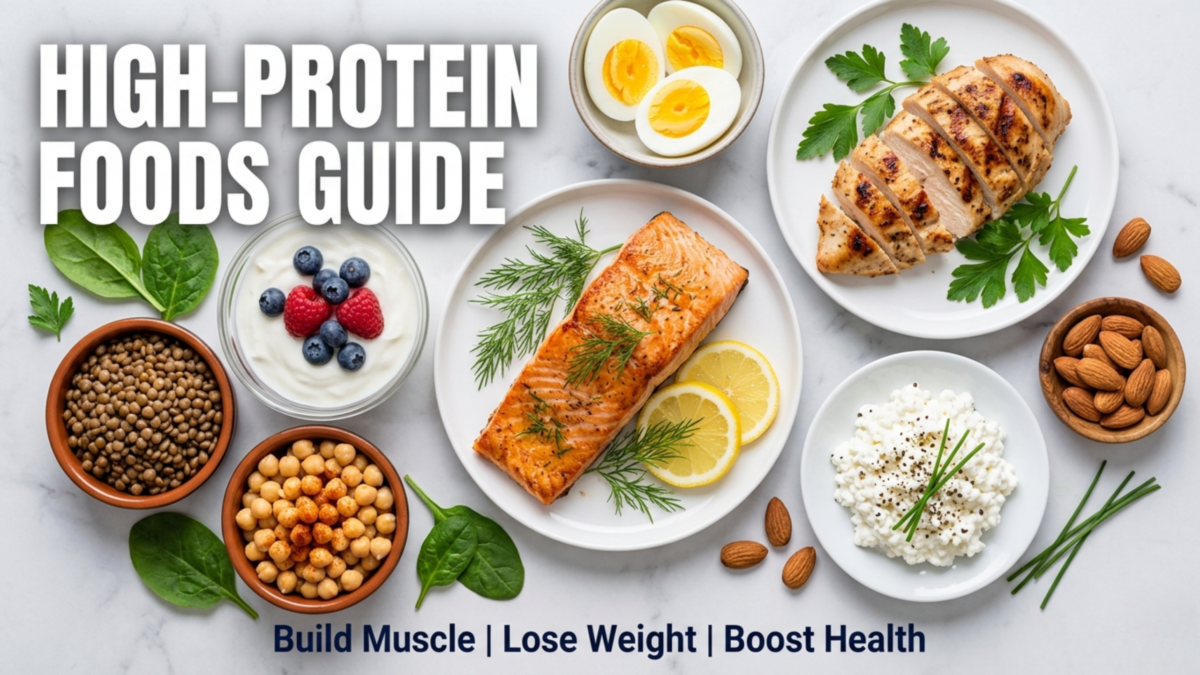
Chicken breast is the go-to protein for a reason. A 100g serving delivers about 31g of protein with minimal fat. It's affordable, versatile, and works in dozens of dishes.
Why it works: High protein, low calories, and fits any meal type.
Best for: All ages. Teens and young adults love it for muscle building. Middle-aged and older adults appreciate that it's lean and won't increase cholesterol. Easy to prepare and digest at any age.
2. EGGS
One large egg contains 6g protein plus essential amino acids your body needs. The yolk has choline, which supports brain health. Eggs are budget-friendly and quick to prepare.
Best for: Teenagers and young adults building muscle eat 2-3 eggs per meal. Middle-aged adults use eggs for quick, healthy breakfasts. Seniors appreciate soft scrambled eggs that are easy to chew and digest. Perfect for all ages.
3. GREEK YOGURT
Greek yogurt has double the protein of regular yogurt about 15-20g per serving. It's loaded with probiotics for gut health and can be sweetened naturally with berries.
Best for: Teenagers (convenient protein between classes), young adults (post-workout recovery), middle-aged adults (keeps you full, aids weight management), and seniors (soft, easy to eat, excellent for digestion). Works at every life stage.
4. LEAN BEEF
Beef provides protein (25g per 100g), iron, zinc, and B12. Choose lean cuts like sirloin or tenderloin.
Best for: Teenagers and young adults building muscle. Middle-aged adults who need iron and B12. Seniors choose ground beef or softer cuts easier to chew.
5. COTTAGE CHEESE
Cottage cheese delivers 14g protein per serving with casein protein the slow-digesting type that keeps you full longer. Excellent before bedtime.
Best for: All ages. Young adults use it for sustained muscle growth. Middle-aged adults appreciate its fullness factor for weight management. Seniors find it easy to eat and digest.
6. FISH AND SEAFOOD
Salmon, cod, and tuna offer 20-25g protein per serving plus omega-3 fatty acids that reduce inflammation and support heart health.
Best for: Teenagers and young adults (brain development and muscle building), middle-aged adults (heart health and weight management), and seniors (anti-inflammatory benefits support joint and brain health). Fish is especially important as you age.
SECTION 2: PLANT-BASED PROTEIN POWERHOUSES
1. LENTILS
One cup of cooked lentils delivers 18g protein plus 15g fiber. They're filling, affordable, and work in soups, salads, and curry dishes. Help regulate blood sugar.
Best for: Teenagers and young adults building muscle while managing weight. Middle-aged adults managing weight and blood sugar. Seniors (heart health and digestion). The high fiber helps everyone.
2. CHICKPEAS
Chickpeas offer 15g protein per cooked cup. Roasted chickpeas make a crispy snack, while hummus lets you eat protein with vegetables easily.
Best for: All ages. Young people love roasted chickpeas as snacks. Middle-aged adults use them in salads for sustained energy. Seniors soften them in soups and stews.
3. TOFU AND TEMPEH
Tofu has 15g protein per 100g. Tempeh has 19g with better flavor. Both work perfectly for vegetarian and vegan diets.
Best for: Young adults building muscle on plant-based diets. Middle-aged adults managing weight. Seniors (soft tofu is very easy to eat). Vegetarians and vegans of all ages.
4. NUTS AND SEEDS
Almonds, peanuts, pumpkin seeds, and chia seeds pack 5-10g protein per serving. They're portable and add protein to smoothies and bowls.
Best for: Teenagers and young adults (portable snacks between activities). Middle-aged adults (healthy fats support heart health). Seniors (nutrient-dense snacks with minimal preparation). Seniors with dentures may prefer nut butters.
5. QUINOA
Quinoa is one of few plant foods with all nine essential amino acids. One cooked cup provides 8g protein. Perfect as a rice substitute.
Best for: All ages seeking complete plant protein. Young adults building muscle. Middle-aged and older adults wanting grain alternatives. Works well in every life stage.
SECTION 3: SMART PROTEIN COMBINATIONS
Getting enough protein is easier when you combine foods strategically.
COMPLETE MEALS THAT WORK
Grilled chicken with brown rice and broccoli delivers 40g+ protein with carbs and vegetables. Rice and beans together create complete protein similar to meat. Greek yogurt with berries and almonds makes a protein-rich breakfast or snack. Egg scramble with whole wheat toast covers all nutritional bases.
Why combinations matter: Different foods bring different nutrients. Chicken offers B vitamins, beans offer fiber, and leafy greens offer minerals. Together, they create nutritional balance.
SECTION 4: AGE-ADJUSTED DAILY PROTEIN TARGETS
Your body's protein needs shift with age. Here's a clear breakdown to know exactly how much you need:
TEENAGE YEARS (13-18 YEARS OLD)
During the teenage years, your body grows rapidly. You're building muscle, bone density, and developing physically. Your protein needs are among the highest of your entire life.
- Daily requirement: 1.2-1.6g per kilogram of body weight
- Example: A 60kg teenager needs 72-96g of protein daily
- Example: An 80kg teenager needs 96-128g of protein daily
How to meet this: Eat protein at breakfast, lunch, and dinner plus one snack. Two eggs at breakfast, chicken at lunch, and fish at dinner covers this easily. Add Greek yogurt or nuts as snacks.
YOUNG ADULTS (19-35 YEARS OLD)
This is your peak muscle-building phase. If you exercise regularly, your body responds incredibly well to protein and training. This is when you build strength for decades.
- Daily requirement: 1.2-1.6g per kilogram if exercising; 0.8-1.0g if sedentary
- Example: A 70kg exercising person needs 84-112g daily
- Example: A 70kg non-exercising person needs 56-70g daily
How to meet this: Three meals with 25-35g protein each plus protein snacks. Chicken breast, fish, eggs, and Greek yogurt are your friends.
MIDDLE-AGED ADULTS (36-55 YEARS OLD)
Metabolism naturally slows as you age. Many people become less active. Muscle loss begins if you don't exercise and eat adequately. This is the critical age to establish strong protein habits.
- Daily requirement: 1.0-1.4g per kilogram (depends on exercise level)
- Example: A 70kg person needs 70-98g daily
Why you can't skip protein now: Without adequate protein and exercise, you'll lose muscle mass, gain fat, and age faster. Protein helps manage weight naturally because it keeps you full longer.
MATURE ADULTS (56-70 YEARS OLD)
Muscle loss accelerates after 50. You naturally lose about 1% of muscle mass per year. This affects your strength, balance, ability to climb stairs, and independence. Protein becomes increasingly important.
- Daily requirement: 1.0-1.2g per kilogram (even for non-exercisers)
- Example: A 70kg person needs 70-84g daily
Why this matters: Every pound of muscle determines how independent and strong you are in your 80s. Low protein now means weakness, falls, and loss of independence later.
SENIORS (70+ YEARS OLD)
Your body becomes less efficient at using protein. You need more protein to get the same muscle-building effect. This is the time when protein intake directly determines your quality of life.
- Daily requirement: 1.2-1.5g per kilogram
- Example: A 70kg senior needs 84-105g daily
Key strategy: Eat protein at every meal. Three meals with 25-30g protein each works better than trying to get it all in one or two meals. Your aging body processes smaller amounts more efficiently.
SECTION 5: COMMON PROTEIN MYTHS DEBUNKED
MYTH 1: You need to eat meat to get enough protein.
TRUTH: Beans, lentils, nuts, and seeds provide substantial protein for vegetarians and vegans.
MYTH 2: All protein sources are equally healthy.
TRUTH: Fish offers omega-3s that beef doesn't. Plant proteins offer fiber that animal proteins lack. Variety matters for complete nutrition.
MYTH 3: Protein turns to fat if you overeat.
TRUTH: Your body uses excess protein for energy or builds muscle. It's less likely to convert to fat than excess carbs or fat.
MYTH 4: You must drink protein shakes to build muscle.
TRUTH: Whole foods work just as well. Shakes are convenient but not necessary for muscle growth.
SECTION 6: SIMPLE WAYS TO ADD MORE PROTEIN
BREAKFAST IDEAS
- Add two eggs to your toast
- Mix Greek yogurt with granola
- Blend cottage cheese into your smoothie
LUNCH & DINNER IDEAS
- Swap white rice for quinoa
- Add chickpeas to salads
- Make chicken or fish your plate's main focus
SNACK IDEAS
- Roasted almonds travel easily
- Hard-boiled eggs take five minutes
- Greek yogurt with berries satisfies cravings
COOKING TIPS
- Batch cook chicken on Sunday for the week
- Keep canned beans in your pantry
- Buy frozen fish just as nutritious and cheaper
CONCLUSION
Building a high-protein diet doesn't require expensive supplements or extreme restrictions. Choose foods you enjoy from chicken, fish, eggs, dairy, beans, nuts, and grains. Mix animal and plant sources for complete nutrition. Start small add one protein-rich food to each meal and watch how you feel.
Your body responds better to consistent, moderate changes than drastic ones. Protein supports muscle repair, keeps you fuller longer, and stabilizes energy throughout the day.
The best diet is one you'll actually follow. Pick proteins you like, prepare them simply, and enjoy the results. Remember: your protein needs change with age, so adjust your intake as you move through different life stages. Whether you're a teenager building strength, a middle-aged adult managing weight, or a senior maintaining independence, protein is your nutritional foundation for optimal health.