
General educational information. This article does not provide a diagnosis or a personal treatment plan. No medical review is claimed. Our medical review policy.
What You Actually Need to Know
Your doctor just handed you a blood pressure monitor and a list of dietary changes. You looked at it and saw recommendations for leafy greens, fish, and whole grains. But nowhere on that list did you see cucumber. That’s a missed opportunity. While cucumber might seem ordinary, it’s quietly one of the most accessible foods you can add to your routine to support heart health.
The conversation around blood pressure management often feels complicated and overwhelming. People talk about sodium restriction, medication adjustments, and intense exercise regimens. What gets overlooked is that cucumber benefits extend to serious cardiovascular health gains, and unlike some health interventions, eating more cucumber actually tastes good and costs almost nothing.
Why Cucumbers Matter More Than You Think
Before diving into the science, it helps to understand what makes something genuinely useful for blood pressure. Your blood vessels don’t care about trendy superfoods. They respond to consistent, measurable nutritional support. That’s exactly what cucumber provides.
A standard cucumber weighs around 300 grams and contains roughly 140 calories. More importantly, it delivers potassium, a mineral your body actively uses to counterbalance sodium in your bloodstream. Think of potassium as a gentle pressure-reducing agent that works within your cardiovascular system. When your sodium-to-potassium ratio improves, your blood pressure naturally begins to normalize.
Cucumber and benefits research consistently shows that people eating potassium-rich foods experience lower readings. The average reduction lands somewhere between two to eight millimeters of mercury, which might sound small until you consider that many first-line blood pressure medications produce similar results. For someone managing prehypertension, this difference can be meaningful without pharmacological intervention.
Beyond potassium, cucumbers contain magnesium and manganese. These minerals work on your arterial walls, promoting relaxation and flexibility. Stiff, constricted arteries create resistance, which forces your heart to pump harder. Flexible arteries do the opposite. Regular cucumber consumption supports arterial elasticity over weeks and months.
Understanding Different Types and Their Properties
Not all cucumbers are created equal, and choosing the right variety for your needs makes a practical difference.
The English cucumber, also called a hothouse or seedless cucumber, contains slightly less sodium than field-grown varieties. British cucumber shares similar properties. If you’re being very careful about sodium intake, these are worth seeking out. The thin skin and minimal seeds make them easier to digest if you have a sensitive stomach.
Japanese cucumber varieties tend to be sweeter and more tender than American slicing cucumbers. Many people find them more palatable raw, which means they eat more of them. Quantity matters here. The more consistently you consume cucumber, the more benefits you’ll experience.
Mini cucumbers provide portion control benefits. Instead of eating half a large cucumber and wondering if you should eat the other half, you get a complete serving in one package. This seems trivial until you realize that portion psychology affects long-term eating habits. When people feel satisfied with clear portion sizes, they stick with healthy choices longer.
Cucumber varieties expand when you consider cousins of the traditional cucumber. The Armenian cucumber technically comes from the melon family but contains similar nutritional profiles. Lebanese cucumber offers another option for variety. While technically different plants, these varieties provide cucumber and benefits comparable to traditional cucumbers.
The African horned cucumber, also called a kiwano, represents a more exotic choice. The African cucumber has a delicate flavor and unusual texture, but the nutritional value sits alongside other cucumber types. Whether you choose the standard garden cucumber or explore unusual varieties, you’re supporting your cardiovascular health.
The Practical Side: Consuming Cucumber for Results
Understanding nutrition science is one thing. Actually eating more cucumber is another. This gap between knowledge and action defeats most people.
Start with the simplest approach: add sliced cucumber to your lunch. Pair it with other vegetables and a lean protein. This requires zero cooking and zero recipe skills. You slice, you eat. The consistency matters more than the amount. Someone eating cucumber four times weekly will see better results than someone eating a large cucumber once every two weeks.
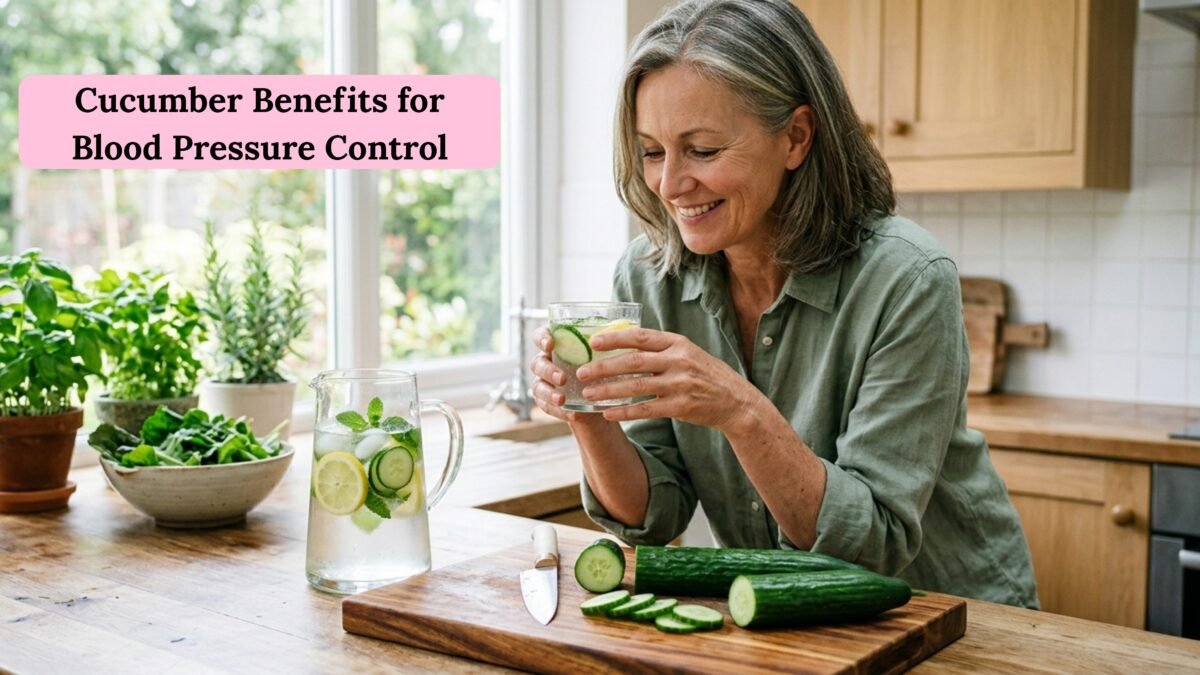
Cucumber water benefits have become popular for good reason. Infusing water with fresh cucumber slices makes plain water more appealing. You’re not changing the water’s chemical composition in dramatic ways, but you’re removing a barrier to consistent hydration. When people drink more water, they naturally reduce consumption of other beverages. The benefits of water and cucumber combined include better hydration, fewer sugar-sweetened drinks, and improved blood pressure regulation from proper fluid balance.
For those who prefer concentrated approaches, cucumber juice benefits offer an option. A fresh cucumber juice shot provides more concentrated nutrients than eating a whole cucumber. The advantage of cucumber juice lies in digestibility and speed of nutrient absorption. Your stomach doesn’t need to work as hard to extract minerals from liquid form. However, use juice as an addition rather than a replacement for whole cucumbers. You lose fiber when juicing, and fiber contributes to overall health independently of blood pressure management.
Some people use cucumber in unexpected ways. Cucumber and lemon water benefits combine the blood pressure support of cucumber with vitamin C and additional antioxidants from lemon. The benefits of cucumber and lemon water appeal to people who want a flavored beverage that feels like intentional health work without tasting medicinal.
Preparing Cucumber: Fresh vs. Processed
The difference between fresh and preserved cucumber matters for blood pressure management.
Fresh cucumber is your best choice. The nutritional value of cucumbers remains highest when they haven’t been processed. Eat them raw, add them to salads, include them in your meals. Everything works.
Pickled options, including gherkins and processed pickles, carry a complication: the pickling process adds sodium. Commercial pickling cucumbers in vinegar brine can contain 400 to 600 milligrams of sodium per serving. If you’re managing blood pressure, this defeats the purpose. The benefits of eating cucumbers disappear when you’re consuming excess salt simultaneously.
You can make homemade quick pickles with minimal salt. Use fresh cucumber, white vinegar, spices, and control the salt content. This gives you the preserved flavor you enjoy without the sodium burden. The nutritional value remains largely intact, and you’ve eliminated the barrier that commercial pickling presents.
Some people explore cucumber kimchi, a fermented preparation. Fermentation creates beneficial bacteria and adds complexity to the flavor. While salt content can vary, fermented vegetables provide additional gut health benefits alongside the cardiovascular support. Fermentation also aids nutrient bioavailability, meaning your body absorbs minerals more effectively.
Cucumber and Other Health Conditions
If you’re managing high blood pressure, you’re likely managing other conditions too. Many people live with diabetes, arthritis, or digestive sensitivities alongside hypertension.
Cucumber works well with diabetes management. The low calorie density and minimal sugar content make cucumber ideal for people watching carbohydrate intake. Unlike fruit juices or sweet vegetables, cucumber doesn’t spike blood glucose. People managing both hypertension and diabetes often find cucumber perfect because it addresses both conditions simultaneously.
For those with digestive sensitivities, cucumber presents options. The seeds can sometimes cause irritation. English cucumbers and Japanese varieties have fewer seeds. You can also remove seeds manually if needed. The high water content makes cucumber gentle on most digestive systems, which can’t be said for all vegetables.
Cucumber also contains compounds called phytonutrients that reduce inflammation. When you’re managing conditions like arthritis alongside blood pressure issues, the anti-inflammatory aspect becomes an additional benefit. These compounds don’t work like medication, but consistent consumption contributes to lower overall inflammation.
Building a Sustainable Habit
Reading about cucumber benefits means nothing if you don’t actually incorporate cucumber into your life. Sustainable change requires fitting new foods into your existing lifestyle rather than creating elaborate new routines.
If you already buy groceries weekly, add cucumber to your regular shopping list. It’s cheap, usually under a dollar per cucumber. You’ll spend less on cucumber weekly than on most other health-supporting foods.
Keep cucumber accessible. Store it where you see it. Prepare it on the day you buy it if you tend to forget about forgotten vegetables in your crisper drawer. Some people cut cucumber into sticks when they get home, storing them in water in the refrigerator. Seeing prepared cucumber makes eating it an easy choice.
Track your blood pressure if you’re monitoring it. Give any dietary change at least four weeks before expecting dramatic shifts. Blood pressure doesn’t change overnight. Your body adapts gradually to nutritional changes. Four weeks of consistent cucumber consumption allows you to see whether this dietary change is working for you personally.
Resources like Health Fitnesses include cucumber regularly in cardiovascular health meal plans. Looking at how professionals recommend incorporating cucumber alongside other foods can spark ideas for your own eating patterns. You’re not looking for complicated recipes; you’re looking for simple ways to include cucumber in meals you already eat.
The Realistic Picture
Cucumber isn’t a replacement for medical care. If your doctor prescribed blood pressure medication, take it. If they recommended exercise, do it. Cucumber supports these interventions; it doesn’t substitute for them.
What cucumber does offer is a free, accessible, low-risk addition to your existing routine. The worst outcome of eating more cucumber is that you’ve increased your water and mineral intake. The potential benefit is a measurable reduction in blood pressure readings. That’s a favorable risk-benefit equation.
Many people manage to reduce their medication dosage over time by implementing multiple dietary changes and lifestyle modifications. Cucumber is part of that puzzle, not the entire solution. Combined with regular activity, stress management, and medical oversight, cucumber consumption genuinely contributes to better cardiovascular health outcomes.
Moving Forward
Start small. Buy one cucumber this week. Eat it. Notice how you feel. Notice if you experience any digestive effects, taste preferences, or physical responses. Everyone’s body is different.
Next week, buy two. Establish the habit before focusing on maximizing intake. Consistency beats intensity in long-term health management.
Consider your preferred preparation methods. Do you like raw cucumber in salads? Do you prefer cucumber water throughout the day? Would you rather incorporate cucumber into cooked meals? Your preference determines whether you’ll maintain this habit for months and years.
Remember that cucumber benefits take time to manifest. You won’t see blood pressure improvements in two days. You will see them over two months if you’re consistent. This isn’t instant gratification, but it’s real change that actually works.
The journey toward better blood pressure isn’t mysterious or complicated. It involves small, repeatable choices. Adding cucumber is one of those choices. It’s affordable, it’s accessible, and it’s backed by genuine nutritional science. Your cardiovascular system will respond to the consistent support.