
General educational information. This article does not provide a diagnosis or a personal treatment plan. No medical review is claimed. Our medical review policy.
What Actually Works
"I wasn't looking for a magic fix. I just needed something that fit into my day without derailing my goals."
That's something you hear often from people who've tried meal replacement shakes as part of a weight loss plan. Not a shortcut. Not a miracle product. Just a practical, nutritionally sensible option that fits into a real life that's already stretched thin.
If you've been overwhelmed by the number of products out there powders, ready-to-drink bottles, organic blends, protein-forward formulas you're not alone. The market has exploded, and so has the noise around it. At Health Fitnesses, we've spent a lot of time looking at what the research actually says about these products and how they fit into a weight management routine that's sustainable, not just temporary.
This guide will walk you through everything you need to know: what to look for, what to avoid, and how the best meal replacement shakes for weight loss can play a useful role in your routine without becoming a crutch.
Why People Turn to Meal Replacement Shakes
Let's be honest about the appeal. If you're a busy professional logging ten-hour days, a parent juggling school runs and deadlines, or someone just starting out on a weight loss journey and unsure where to begin planning and preparing nutritionally balanced meals three times a day is hard. Not impossible, but genuinely hard.
Meal replacement shakes solve a specific problem: they offer a calorie-controlled, nutrient-dense option that takes three minutes to prepare. For the person who would otherwise skip breakfast or grab something impulsive at lunch, that's genuinely useful. The key word there is 'replacement' these shakes work when they substitute a full meal, not when they're added on top of an existing eating pattern.
Done right, incorporating the best meal replacement drinks into your routine can reduce your overall calorie intake without leaving you nutritionally depleted or constantly hungry. That's the balance that matters.
WORTH KNOWING Meal replacement shakes are not diet supplements or appetite suppressants. They are structured meal alternatives designed to provide a defined calorie and nutrient profile in place of a standard meal.
What Makes a Meal Replacement Shake Actually Good
Before you look at brand names, look at the nutrition label. A well-formulated shake should hit a few specific markers, regardless of whether it's a powder or a ready-to-drink bottle.
| Nutrient | Recommended Range | Why It Matters |
|---|---|---|
| Calories | 200–400 per serving | Controlled intake for a deficit without starvation |
| Protein | 15–30g | Supports muscle retention during fat loss |
| Dietary Fiber | 3–5g | Slows digestion, keeps you full longer |
| Added Sugars | Under 10g | Prevents insulin spikes and energy crashes |
| Vitamins & Minerals | 20+ daily micronutrients | Replaces what you'd get from a full meal |
Low calorie meal replacement shakes that hit these targets give your body what it needs without the caloric load of a full meal. The protein supports muscle retention during a calorie deficit, which is critical because when you lose weight without enough protein, you risk losing muscle alongside fat. That's not the goal.
Fiber is equally important, and it's often overlooked. It slows digestion, stabilizes blood sugar, and keeps you feeling full for longer. A shake that lacks fiber will have you hungry again within an hour, which defeats the purpose entirely.
Powder vs. Ready-to-Drink: Choosing Your Format
This comes down to lifestyle more than nutrition. Both formats can deliver healthy meal replacement shakes the differences are practical.
| Format | Best For | Considerations |
|---|---|---|
| Powder | Home use, batch prep, ingredient control | Requires a blender or shaker; more flexibility with add-ins like fruit or greens |
| Ready-to-drink | On-the-go, travel, office use | Convenient but often higher in additives; less control over ingredients |
The best meal replacement powder options typically give you more control over what goes into your shake. You can blend in spinach, a handful of frozen berries, or unsweetened almond milk to adjust the calorie count and nutrient density. The best liquid meal replacement options, on the other hand, are convenient for people who genuinely won't make time to blend anything which is also a real scenario worth accommodating.
Protein-Based vs. Organic: Understanding the Difference
The market largely splits into two camps, and knowing which one aligns with your goals helps narrow things down considerably.
Protein-Forward Meal Replacement Shakes
These are built around a high protein content, often using whey, casein, soy, or pea protein as the primary ingredient. The best meal replacement protein shakes in this category are particularly useful for people who are also exercising, since protein supports muscle recovery and retention during a calorie deficit. If you're doing strength training alongside your weight loss efforts, this format is worth prioritizing.
The best meal replacement protein powder options in this space typically use a blend of protein sources for a better amino acid profile, rather than relying on a single source. Look for that on the label.
Organic Meal Replacement Shakes
These appeal to people who are more focused on ingredient quality and want to avoid synthetic additives, artificial sweeteners, and pesticide residues. The best organic meal replacement shakes use certified organic protein sources often brown rice, hemp, or pea along with organic fruits and vegetables for micronutrients.
The trade-off is that organic options tend to be lower in protein and sometimes more expensive. They're an excellent choice for people who prioritize clean ingredients, but if muscle retention during weight loss is a primary concern, a high-protein formula may serve you better.
PRACTICAL NOTE There's no rule that says you have to commit to one type permanently. Some people use a protein-based shake post-workout and an organic option on rest days. What matters most is consistency and overall calorie balance.
How to Choose the Right Shake for Your Goals

The answer here depends on where you are in your weight loss journey and what your biggest challenge is day-to-day.
- Hunger is your main obstacle? Prioritize fiber content and protein together. A healthy meal replacement with 25g of protein and 5g of fiber will keep you satiated far longer than a low-protein option with sugar filling the gap.
- Convenience is the real issue? If your day is unpredictable and meal prep just isn't happening, the best liquid meal replacement options that require no preparation are going to serve you better than a powder you never get around to blending.
- Ingredient quality matters most? Look for best organic meal replacement shakes with transparent ingredient lists and third-party certifications.
- Exercising regularly? Focus on best meal replacement protein shakes that prioritize amino acid completeness and post-workout recovery support.
At Health Fitnesses, the nutrition guidance we follow consistently comes back to one principle: fit the tool to the person, not the person to the tool. A shake that works brilliantly for a 28-year-old athlete training five days a week may be completely wrong for a 45-year-old who is sedentary and trying to create a modest calorie deficit.
Common Mistakes People Make with Meal Replacement Shakes
- Using shakes alongside full meals. If you're drinking a shake and eating a full lunch, you're adding calories, not replacing them. The math only works when it's an actual substitution.
- Choosing shakes based on taste alone. Many heavily marketed shakes are loaded with sugar and have minimal protein or fiber they taste good but do very little for satiety or fat loss.
- Expecting shakes to compensate for poor diet choices. A healthy meal replacement at breakfast doesn't offset a 1,000-calorie dinner. Shakes are one part of a broader calorie-aware eating pattern.
- Relying on shakes indefinitely. These are transitional tools, not permanent replacements for real food. Long-term use without building solid nutritional habits limits your ability to maintain weight loss independently.
- Ignoring micronutrients. Not all low calorie meal replacement shakes are fortified with adequate vitamins and minerals. If you're replacing a meal daily, that shake needs to carry a meaningful portion of your daily nutritional requirements.
Homemade vs. Commercial Shakes: An Honest Comparison
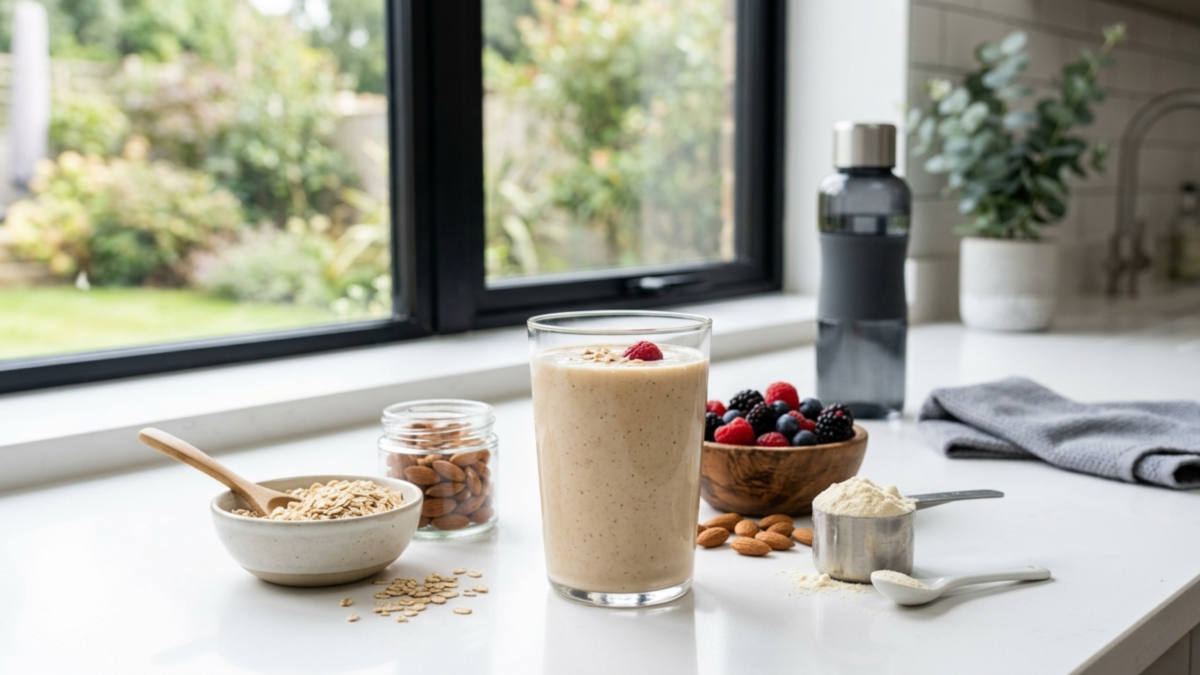
There's a growing interest in making your own meal replacement shakes at home, and for good reason. When you control the ingredients, you control the nutrition profile completely. A well-constructed homemade shake Greek yogurt, a scoop of the best meal replacement protein powder, frozen berries, a tablespoon of flaxseed, and unsweetened almond milk can easily rival commercial options in nutritional completeness.
The challenge is consistency. Most people start strong with homemade shakes, then gradually drift adding too many calorie-dense ingredients, or simply stopping when they're short on time. Commercial best meal replacement shakes solve that consistency problem. The calorie count is fixed, the nutrition is verified, and there's nothing to assemble.
The honest answer is that both work when used properly. Homemade shakes reward people who genuinely enjoy food preparation and have time to plan. Commercial options suit people who need predictability and speed. Many people use a combination homemade on weekends, commercial during the work week.
Real-Life Usage Scenarios
The Busy Professional
A best liquid meal replacement in the car or at your desk replaces a skipped breakfast or an impulsive lunch order. One shake, 300 calories, 25g protein, and you're back in a meeting feeling steady rather than ravenous by 3pm.
The Fitness Beginner
Someone starting out who isn't yet confident about calorie counting can use best meal replacement shakes for weight loss to take one variable out of the equation. One meal per day is already handled, precisely, leaving two meals to figure out gradually.
The Post-Workout Recovery
The best meal replacement protein shakes consumed within 30–45 minutes after training support muscle recovery and reduce the likelihood of compensatory overeating later in the day a common problem for people who exercise without refueling properly.
The Bottom Line on Meal Replacement Shakes
The best meal replacement shakes for weight loss are not about finding a magic formula. They're about reducing friction in a specific part of your day, consistently, without sacrificing nutrition.
Whether you choose the best meal replacement powder, a ready-to-drink formula, a protein-dense shake, or the best organic meal replacement shakes, the decision should come down to your real life your schedule, your goals, your cooking habits, and your body's needs.
Used thoughtfully, meal replacement shakes can meaningfully support a calorie deficit and simplify the early stages of a weight loss journey. Used carelessly, they become another expensive product that sits half-used in a cupboard.
At Health Fitnesses, we believe long-term health outcomes come from building habits that outlast the shake. Use these products as a bridge toward better eating patterns, more energy, and a sustainable relationship with food. That's a goal worth working toward.
Published by Health Fitnesses | healthfitneses.com | © 2026