
Start Your Day Right
Why Your Morning Meal Sets the Tone
You know that feeling when you eat breakfast and actually have energy until lunch? That’s not luck that’s nutrition doing its job. The foods you choose at breakfast create a ripple effect through your entire day. They influence how focused you feel during work, whether you reach for that 3 PM snack, and even how well you sleep that night.
Most people treat breakfast as an afterthought. A rushed bowl of cereal, a coffee, maybe a pastry grabbed on the way out. But this approach costs you more than convenience it costs you energy, mental clarity, and the chance to build healthier eating patterns that stick. The best breakfast foods for better nutrition aren’t complicated or expensive. They’re real foods that your body recognizes and uses efficiently.
Your metabolism, your blood sugar levels, and your hunger hormones all activate when you eat breakfast. Get it right, and they work with you. Get it wrong, and they work against you. This isn’t about being perfect. It’s about making one smart choice first thing in the morning that creates momentum for the rest of your day.
Why Breakfast Matters for Better Nutrition
Let’s be straightforward: people who eat breakfast perform better cognitively. Studies back this up, but you don’t need research to feel it. When you eat a nutritious breakfast, your brain has fuel. Your mood stabilizes. Your ability to focus sharpens.
Here’s what happens on a physiological level. After 8-10 hours of sleep, your body is in a fasted state. Your glycogen stores are depleted. Your muscles need amino acids. Your brain is hungry for glucose. Breakfast replenishes all of this. But the quality of breakfast matters tremendously.
A breakfast loaded with refined carbohydrates and sugar gives you a quick spike followed by a crash. You feel energized for 90 minutes, then exhausted by 10:30 AM. A breakfast rich in protein, fiber, and healthy fats? That stabilizes your energy, keeps you satisfied, and helps you avoid overeating later.
Beyond energy and focus, breakfast impacts your metabolism. People who skip breakfast often eat more throughout the day not because they have more appetite, but because their blood sugar dysregulation drives cravings. A good breakfast acts as an anchor that keeps everything else in balance.
What Makes a Breakfast Truly Nutritious?
A nutritious breakfast isn’t defined by a specific meal or calorie count. It’s defined by what it contains and how those components work together in your body.
Protein should be the foundation. It slows digestion, stabilizes blood sugar, and keeps you full. Aim for at least 15-20 grams. Protein builds and repairs muscle tissue, and it’s the nutrient people most often skip at breakfast.
Fiber matters equally. It feeds the good bacteria in your gut, stabilizes blood sugar further, and promotes digestive health. Most people eat fiber-rich breakfasts by accident they happen when you include whole grains, fruits, and vegetables.
Healthy fats round out the picture. They carry fat-soluble vitamins, support brain function, and contribute to satiety. You don’t need much a handful of nuts, a bit of avocado, or a whole egg does the job.
Micronutrients vitamins and minerals from real food sources are the quiet workers that keep your body functioning. They’re in the foods we’ll discuss below, not in fortified cereals.
The balance matters. Protein without fiber leaves you hungry. Fiber without fat doesn’t satisfy. The best breakfast foods combine these elements naturally.
10 Best Breakfast Foods for Better Nutrition
1. Eggs: The Complete Protein Package
Eggs have spent decades wrongly blamed for cholesterol issues. The science has moved on; so should you.
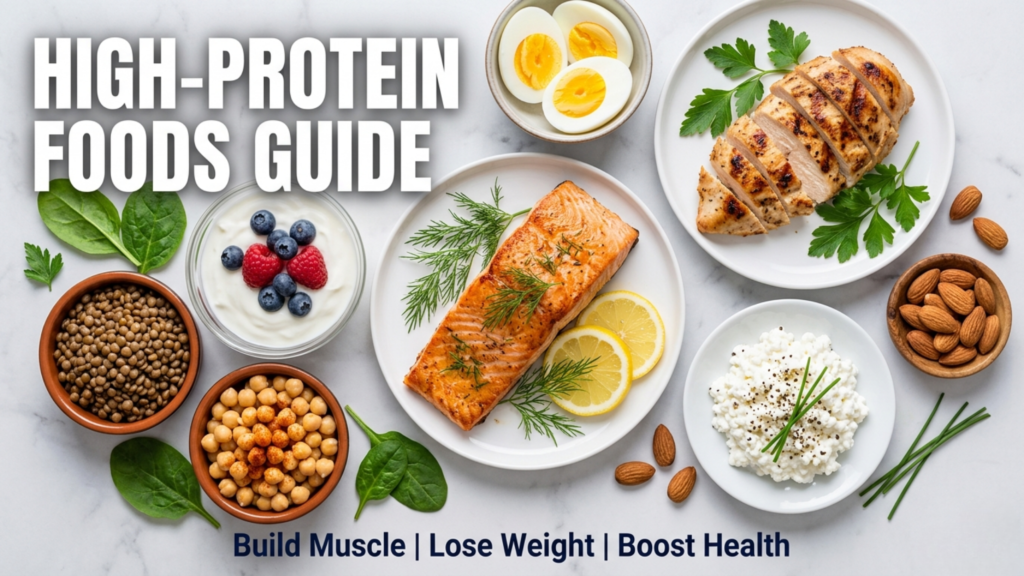
One large egg contains 6 grams of complete protein (all nine essential amino acids), plus choline for brain health and lutein for eye health. The yolk holds most of the nutrients. You can eat the whole thing without guilt.
Preparation matters for enjoyment. Scrambled, boiled, poached, or baked choose what fits your mood. Pair eggs with whole grain toast and vegetables to create a complete breakfast that sustains you.
2. Oatmeal: Sustained Energy in a Bowl
Steel-cut oats aren’t the fastest breakfast, but they’re worth the wait. They contain beta-glucan, a fiber that lowers cholesterol and stabilizes blood sugar remarkably well.
Half a cup of dry oats (about 150 calories) provides 5 grams of fiber and 5 grams of protein. Add milk or yogurt, and you increase the protein content. Add berries, nuts, or seeds, and you add micronutrients and more fiber.
The key: avoid instant oatmeal packets loaded with sugar. Buy plain oats and sweeten with honey, banana, or berries if needed.
3. Greek Yogurt: Protein-Packed Creaminess
Greek yogurt contains nearly double the protein of regular yogurt up to 15-20 grams per 6-ounce serving. It’s also rich in probiotics that support gut health.
Eat it plain or layered with granola and fruit. The protein-to-carbohydrate ratio makes it ideal for stable energy without spiking blood sugar.
4. Berries: Antioxidant Powerhouses
Blueberries, strawberries, raspberries, and blackberries pack more antioxidants per calorie than almost any other food. They support brain health, reduce inflammation, and add natural sweetness without overwhelming sugar content.
A cup of berries contains only 50-85 calories but several grams of fiber. Scatter them on yogurt, blend into smoothies, or eat fresh.
5. Avocado: Healthy Fat That Satisfies
Half an avocado provides nearly 5 grams of fiber and healthy monounsaturated fats. It sounds indulgent, but avocado keeps you full longer than most breakfast foods.
Mash it on whole grain toast, add it to eggs, or slice it into a smoothie. The creaminess satisfies in ways that fat-free foods simply cannot.
6. Nuts and Seeds: Calorie-Dense Nutrition
A small handful of almonds, walnuts, or sunflower seeds delivers protein, healthy fats, magnesium, and zinc. They’re convenient, shelf-stable, and work well as part of a larger breakfast.
Don’t overeat them they’re energy-dense. A quarter-cup serving (about 23 almonds) is sufficient.
7. Whole Grains: More Than Just Toast
Whole wheat toast, quinoa, or farro provide sustained energy through complex carbohydrates and fiber. They’re particularly important if you’re active in the morning or have a physically demanding job.
Look for products labeled “100% whole wheat” or “100% whole grain.” Anything less means refined grains have snuck in.
8. Cottage Cheese: The Underrated Protein Source
Cottage cheese contains 14-28 grams of protein per half-cup, depending on variety. It’s versatile pair it with fruit, use it in pancakes, or eat it savory with vegetables.
Many people dismiss it due to texture, but there are good reasons to reconsider.
9. Smoothies: Convenience with Nutrition
A smoothie can be genuinely nutritious or a sugar drink in disguise. The difference: what goes into it.
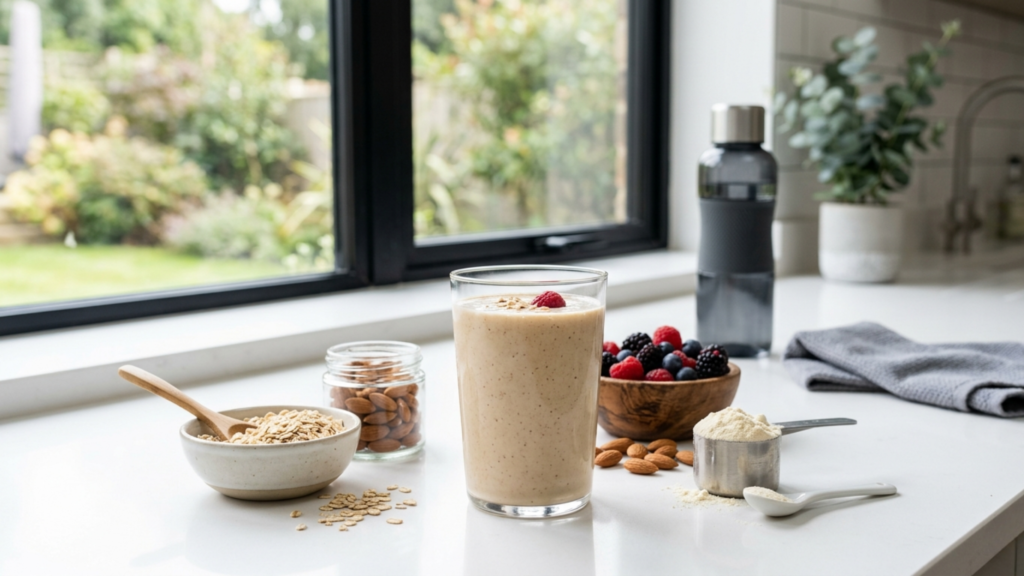
A good breakfast smoothie contains protein (yogurt, protein powder, or nut butter), fat (nuts, seeds, or avocado), fiber (berries, spinach, or chia seeds), and liquid. It’s quick, portable, and satisfying when made properly.
10. Chia Seeds: Fiber and Omega-3s
Two tablespoons of chia seeds contain 10 grams of fiber, 5 grams of protein, and omega-3 fatty acids. They absorb liquid and expand in your stomach, creating a feeling of fullness.
Mix them into yogurt, sprinkle on oatmeal, or make chia pudding by soaking them in milk overnight.
Healthy Breakfast Foods for Weight Management
Weight management isn’t about eating less. It’s about eating foods that keep you satisfied on fewer calories.
| Food | Calories (Serving) | Protein (g) | Fiber (g) | Satiety Rating |
| Eggs (2 large) | 155 | 12 | 0 | High |
| Oatmeal (1/2 cup dry) | 150 | 5 | 5 | High |
| Greek Yogurt (6 oz) | 100-150 | 15-20 | 0 | High |
| Berries (1 cup) | 50-85 | 1 | 4-8 | Medium |
| Avocado (1/2) | 120 | 1.5 | 5 | High |
| Whole Wheat Toast (1 slice) | 80 | 4 | 4 | Medium |
| Chia Seeds (2 tbsp) | 138 | 5 | 10 | High |
Notice the pattern: protein and fiber create the highest satiety. When foods keep you satisfied, you eat less later and lose weight naturally without suffering.
Nutritious Breakfast Ideas for Busy Mornings
Real mornings are hectic. Breakfast needs to fit into your life, not the other way around.
Option 1: The 5-Minute Scramble Scrambled eggs, whole wheat toast, and a handful of berries. Takes 5 minutes. Delivers 20 grams of protein and stable energy.
Option 2: Overnight Oats Mix oats, milk, yogurt, and berries the night before. Grab it in the morning. No cooking required.
Option 3: Yogurt Bowl Greek yogurt, granola, berries, and nuts. Assembly only no cooking. Prepare the night before if needed.
Option 4: Smoothie Prep Freeze banana slices and berries in portions. In the morning, blend with yogurt and nut butter. Done in 2 minutes.
Option 5: Cottage Cheese and Fruit Straight from the container. Literally grab-and-go. Takes 30 seconds.
People often say they don’t have time for breakfast. Usually, they haven’t prepared properly. These options prove that nutrition and convenience aren’t mutually exclusive.
Breakfast Foods Rich in Protein and Fiber
Pairing protein with fiber creates the most stable breakfast possible. Your digestion slows. Your blood sugar stays steady. Your hunger stays satisfied until lunch.
High-Protein, High-Fiber Combinations:
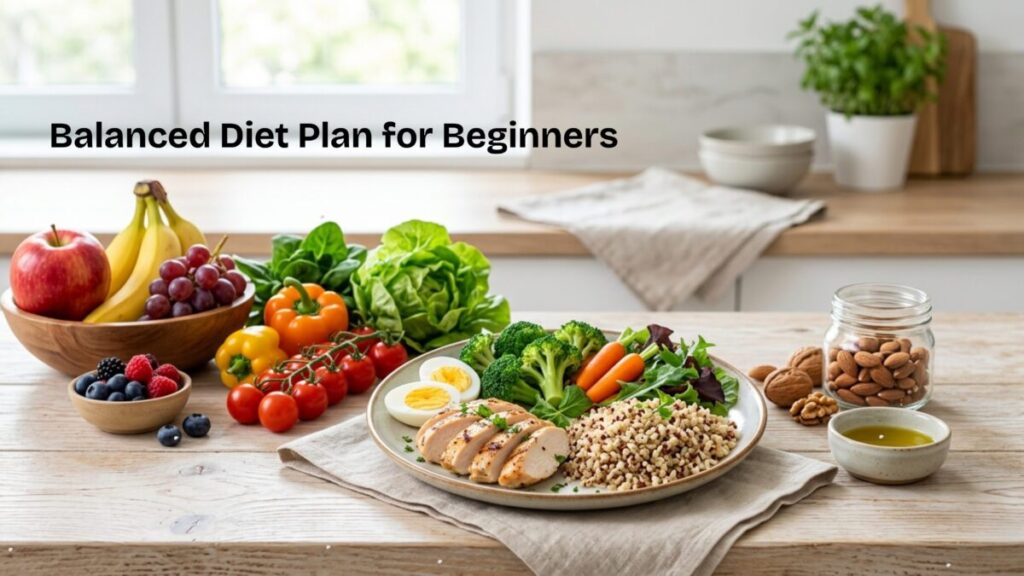
- Eggs + whole wheat toast + berries
- Oatmeal + Greek yogurt + chia seeds
- Cottage cheese + whole grain toast + berries
- Smoothie with protein powder, spinach, berries, and nut butter
- Quinoa bowl with Greek yogurt and nuts
These combinations deliver 20-30 grams of protein and 8-15 grams of fiber in a single meal.
Common Breakfast Mistakes to Avoid
Mistake 1: Sugary Cereals and Processed Foods A bowl of sweetened cereal is more dessert than breakfast. Your blood sugar spikes, crashes, and leaves you hungrier by mid-morning.
Mistake 2: Skipping Breakfast Entirely Some people think they’re saving calories. In reality, they’re setting themselves up for overeating later. Breakfast sets your metabolism in motion.
Mistake 3: Protein Imbalance Carbohydrate-heavy breakfasts without protein leave you unsatisfied. Aim for balance.
Mistake 4: Liquid Calories A juice or smoothie loaded with added sugar and lacking protein is essentially a sugar drink. Make sure smoothies contain protein and fat.
Mistake 5: Breakfast as Habit Without Intention Eating breakfast because you’re supposed to, without thinking about what goes into it, defeats the purpose. Choose foods deliberately.
Tips for Building a Balanced Breakfast Every Day
1. Make Protein Your Anchor Start with a protein source. Everything else builds around it.
2. Add Fiber, Not Just Carbs Include a vegetable, fruit, or whole grain. Processed carbohydrates don’t deliver the benefits.
3. Include Healthy Fat Don’t fear it. A bit of fat makes breakfast satisfying and slows digestion.
4. Prep the Night Before When Possible Overnight oats, chia pudding, and egg muffins take 10 minutes to prepare and eliminate morning stress.
5. Keep It Simple You don’t need five ingredients. Two or three quality foods combined well are enough.
6. Listen to Your Body Some people thrive on a large breakfast. Others prefer something lighter. Neither is wrong. Adjust portions to how you feel.
Conclusion: Making Breakfast Work for You
The best breakfast foods for better nutrition aren’t secrets. They’re simple, real foods that your body recognizes and uses efficiently. Eggs, oats, yogurt, berries, nuts, and seeds have been part of human diets for centuries for good reason they work.
Building a better breakfast doesn’t require perfection. It requires consistency and intention. Pick one of the foods or combinations mentioned above and commit to trying it for a week. Notice how you feel. Most people discover that a nutritious breakfast transforms not just their morning, but their entire day.
If you’re serious about long-term health and energy, breakfast is where you start. Resources like Health Fitnesses offer additional guidance for building sustainable nutrition habits that fit your lifestyle. The real change happens not when you know what to do, but when you actually do it.
Start tomorrow morning. Choose one food from this article. Eat it with intention. Notice the difference. That’s how real change begins one breakfast at a time.