
Most people know they should eat better. The problem is that nutrition advice is everywhere, often contradictory, and rarely practical enough to follow on a Wednesday evening when you’re tired and the fridge looks uninspiring.
The truth is, building a solid nutritional foundation does not require a complete overhaul of your life. It starts with understanding what your body actually needs and making small, consistent adjustments that compound over time. Whether you’re managing your weight, training harder, or just trying to feel less sluggish by 3pm, your nutritional choices are the foundation of all of it.
This guide covers the practical side of nutrition: the nutrients that matter, the protein sources worth knowing about, how carbohydrates actually work in your body, and how to build an eating plan you can realistically stick to.
Why Nutritional Choices Shape Everything
Food is information. Every bite sends signals to your body about how to function: how much energy to produce, how to repair tissue, how to regulate hormones. Poor nutritional habits do not just make you feel tired; over time they influence your risk for chronic conditions, your cognitive performance, and your mood.
Nutrition does not work in isolation either. Sleep, stress, and physical activity all interact with how your body processes food. But of all the lifestyle factors you can control, what you eat consistently has the most direct impact on how you feel day to day.
The encouraging part is that you do not need a perfect diet. You need a reasonably good one, most of the time.
Essential Nutrients Your Body Cannot Do Without
There are six categories of nutrients your body depends on: carbohydrates, proteins, fats, vitamins, minerals, and water. Most people focus on the first three, which makes sense since they provide calories. But the micronutrients, vitamins and minerals, do the quiet work of keeping everything running.
Macronutrients: The Big Three
Carbohydrates are your body’s preferred fuel source. Proteins are the building blocks for muscle, enzymes, and hormones. Fats support brain function, hormone production, and the absorption of fat-soluble vitamins. None of them are the enemy, though their proportions matter depending on your goals.
Micronutrients: The Unsung Heroes
Iron carries oxygen through your blood. Magnesium supports hundreds of enzymatic reactions. Vitamin D regulates immune function and bone health. Most people in Western countries are low in at least one or two key micronutrients without realising it. If you find yourself consistently fatigued, it is worth checking in with a doctor before attributing it solely to lifestyle factors.
The Role of Protein in Your Health and Fitness Goals
Protein tends to get a lot of attention in fitness circles, and for good reason. It supports muscle repair, keeps you fuller for longer, and has a higher thermic effect than carbohydrates or fats, meaning your body burns more energy just to digest it.
The general recommendation for active adults is around 1.6 to 2.2 grams of protein per kilogram of body weight per day. Most people, unless they are tracking carefully, fall short of this.
Whole Food Protein Sources
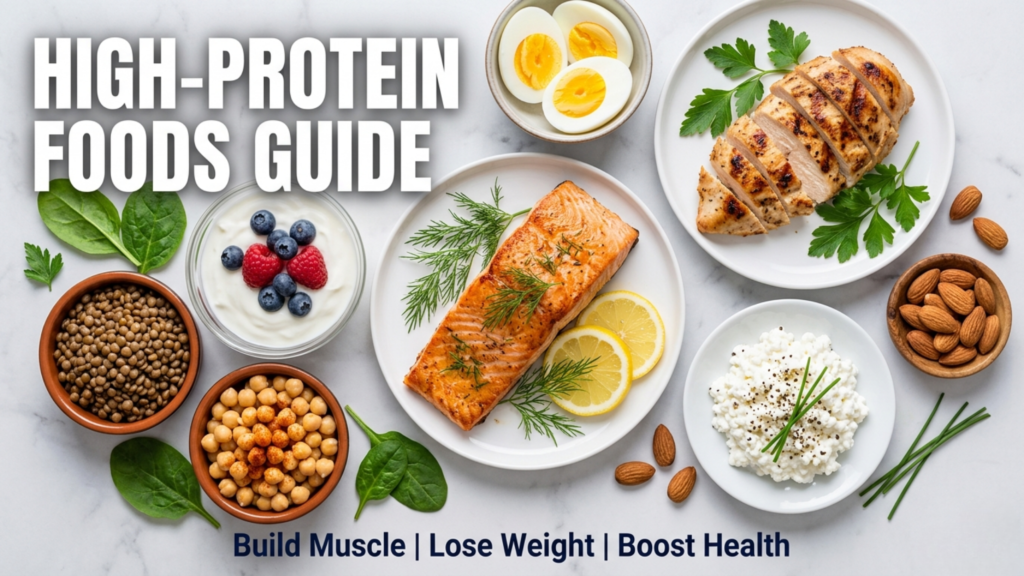
Eggs, chicken, fish, Greek yogurt, lentils, tofu, and tempeh are all strong protein sources. These also come packaged with other useful nutrients like zinc, B vitamins, and iron. Building meals around a whole food protein source is one of the simplest ways to improve your nutritional quality without overthinking it.
Protein Supplements: When They Help
Supplements like whey protein isolate are useful when meeting protein targets through food alone becomes inconvenient. Whey protein isolate is particularly well-absorbed, low in lactose, and digests quickly, making it a practical post-workout option.
Products like the Fairlife protein shake have gained traction as a convenient, higher-protein milk-based option with less sugar than traditional dairy drinks. They work well as a between-meal snack or a post-workout recovery choice when you need something fast.
Protein bars can fill a similar gap, though quality varies enormously between brands. Check the ingredient list: you want something with at least 15 to 20 grams of protein, minimal added sugars, and a short ingredient list. Some protein bars are essentially glorified candy bars with a protein label on them.
Mass gainers occupy a different category entirely. Designed for people in a significant caloric surplus, they pack in high amounts of carbohydrates alongside protein. They serve a genuine purpose for hardgainers or athletes in bulking phases, but they are not suitable as a general supplement for people managing their weight.
Carbohydrates and Energy: Getting the Balance Right
Carbohydrates have had a rough run in popular nutrition conversations. Low-carb diets have convinced many people that carbohydrates are inherently problematic, but the reality is more nuanced.
Your brain runs almost exclusively on glucose. Your muscles store glycogen from carbohydrates to fuel exercise. The issue is not carbohydrates themselves but the type and quantity you consume.
High-Quality Carbohydrate Foods
Oats, sweet potatoes, brown rice, quinoa, legumes, fruit, and vegetables are examples of carbohydrate foods that come with fibre, vitamins, and sustained energy release. These are very different nutritionally from refined white bread, sugary cereals, or processed pastries.
A banana, for example, contains around 90 to 105 calories depending on its size, along with potassium, vitamin B6, and fibre. The banana calorie content is not something to stress over; it is a whole food with real nutritional value. The anxiety about fruit calories is generally misplaced energy that would be better directed at cutting ultra-processed snacks.
Vegan Diet vs Paleo Diet vs Other Popular Approaches
Different dietary frameworks suit different people, goals, and health conditions. None of them is universally superior. Here is a straightforward comparison:
| Diet Type | Best For | Main Focus | Key Limitation |
| Vegan Diet | Ethics & weight loss | Plant-based whole foods | Needs B12, iron planning |
| Paleo Diet | Blood sugar & energy | Whole, unprocessed foods | Restricts legumes & grains |
| Diabetic Diet | Glucose management | Low glycaemic carbs | Requires careful monitoring |
| Balanced Diet | General health & energy | All macronutrients | Less structure for some |
The vegan diet eliminates all animal products. Done well, it can support weight management, reduce cardiovascular risk, and align with ethical values. Done poorly, it leads to deficiencies in B12, iron, calcium, zinc, and omega-3 fatty acids. Supplementation and food planning are not optional with this approach.
The paleo diet focuses on foods available to prehistoric ancestors: meat, fish, vegetables, nuts, seeds, and fruit, while excluding grains, dairy, and legumes. Its strictness can make social eating difficult, but it does naturally cut out most ultra-processed foods, which is likely where much of its benefit comes from.
Nutritional Considerations for a Diabetic Diet
Managing blood sugar through nutrition is one of the most evidence-backed areas of dietary medicine. For people with type 2 diabetes or prediabetes, how carbohydrates are consumed matters enormously.
The glycaemic index of foods, which reflects how quickly they raise blood glucose, guides food choices in a diabetic diet. Refined carbohydrates spike blood sugar rapidly. Fibre-rich whole foods slow absorption and produce more stable glucose responses.
Practical adjustments include pairing carbohydrate foods with protein and fat to slow digestion, choosing whole fruit over fruit juice, and reducing portion sizes of even nutritious carbohydrates. Anyone managing diabetes should work with a registered dietitian rather than relying solely on general nutritional guidance.
Supplements, Shakes, and Finding Healthy Eating Options Near You
Supplement companies like Herbalife offer meal replacement shakes and nutritional products aimed at weight management and general wellness. These can serve a purpose for people who struggle with consistent nutrition, particularly when travelling or in high-pressure periods. The key is treating them as supplements to a real food diet rather than a replacement for it.
Finding healthy eating near me is something a lot of people search for, and the answer has genuinely improved. Most restaurants now publish nutritional information, and the rise of build-your-own bowl restaurants, salad bars, and health-conscious cafes means that eating well away from home is far more achievable than it was a decade ago.
When eating out, useful habits include choosing protein-forward dishes, asking for sauces and dressings on the side, and swapping chips for a salad or roasted vegetables. Most places are accommodating if you ask.
Common Nutritional Mistakes Worth Avoiding
Even people who genuinely care about eating well fall into predictable patterns that undermine their efforts. These are the most common ones:
- Drinking calories without accounting for them: sodas, juices, lattes, and alcohol add up significantly
- Eating too little protein, especially at breakfast, which drives mid-morning cravings
- Skipping meals and then overeating later in the day
- Relying on low-fat products that are often higher in sugar than their full-fat counterparts
- Treating healthy foods as unlimited: nuts, avocado, and olive oil are nutritious but calorie-dense
- Following rigid, unsustainable diets and cycling between restriction and overeating
- Ignoring hydration: thirst is often mistaken for hunger, and mild dehydration affects focus and energy
Tips for Building a Sustainable Healthy Eating Plan
Sustainable nutrition is built on habits you can repeat without misery. These steps are practical starting points:
- Start with protein. Build every main meal around a quality protein source, then add vegetables and a moderate portion of complex carbohydrates.
- Plan two or three meals a week in advance. Knowing what Tuesday dinner will be removes a decision point when you are tired and hungry.
- Keep convenient whole foods on hand. Eggs, canned fish, Greek yogurt, nuts, and frozen vegetables remove the excuse of nothing healthy being available.
- Eat slowly and without screens. Research consistently shows that distracted eating leads to consuming more without feeling more satisfied.
- Track your intake for two to three weeks. Not forever, just long enough to understand your baseline. Most people are surprised by where their calories actually come from.
- Allow for flexibility. An eating plan with no room for a birthday cake or a restaurant meal is one that most people abandon within weeks.
- Revisit and adjust. Your nutritional needs change with your activity level, age, and health goals. What worked at 25 may need refinement at 40.
While exploring nutrition content on Health Fitnesses, many readers discover that small, unglamorous adjustments, like swapping a sugary snack for a handful of nuts or adding a portion of vegetables to a meal they already enjoy, tend to outlast the results of dramatic diet overhauls.
Building Nutritional Habits That Last
Good nutrition is not about being perfect. It is about being consistent enough, across enough meals, across enough weeks, that the cumulative effect becomes visible in how you feel and function.
The nutritional foundations are not complicated: eat enough protein, choose fibre-rich carbohydrates, include a variety of vegetables, stay hydrated, and be honest about what you are actually consuming versus what you think you are consuming. Everything else, the specific diets, the supplements, the trending foods, sits on top of that foundation.
If you are managing a specific condition like diabetes, working with a healthcare professional is worth every bit of effort. For everyone else, the most effective nutritional strategy is the one you can actually follow, week in and week out, without feeling deprived.
Start with one change. Make it stick. Then add another. That is genuinely how lasting nutritional habits are built.