By Health Fitnesses | Nutrition & Wellness
Let me be straightforward with you. If you have spent any time googling “how to lose weight fast” or jumping from one trending diet to the next, you already know how exhausting that cycle gets. One week it is keto diet recipes, the next week someone swears by intermittent fasting, and the month after that you are counting every calorie in a calorie deficit diet app at midnight feeling defeated. Sound familiar?
Here is what nobody tells you upfront: the obsession with dieting is actually working against your health. Real, lasting wellness is not built on restriction. It is built on understanding what healthy food actually does inside your body and learning to eat in a way that feels sustainable, not punishing.
This is something I have seen over and over again through my years of working with people on their eating habits. The ones who finally feel better, sleep better, and yes, lose weight when needed they are not the ones who white-knuckled their way through a 30-day detox. They are the ones who figured out how to eat well consistently, without making every meal a moral decision.
Let us dig into why proper nutrition beats dieting every single time.
The Real Difference Between Eating Well and Dieting
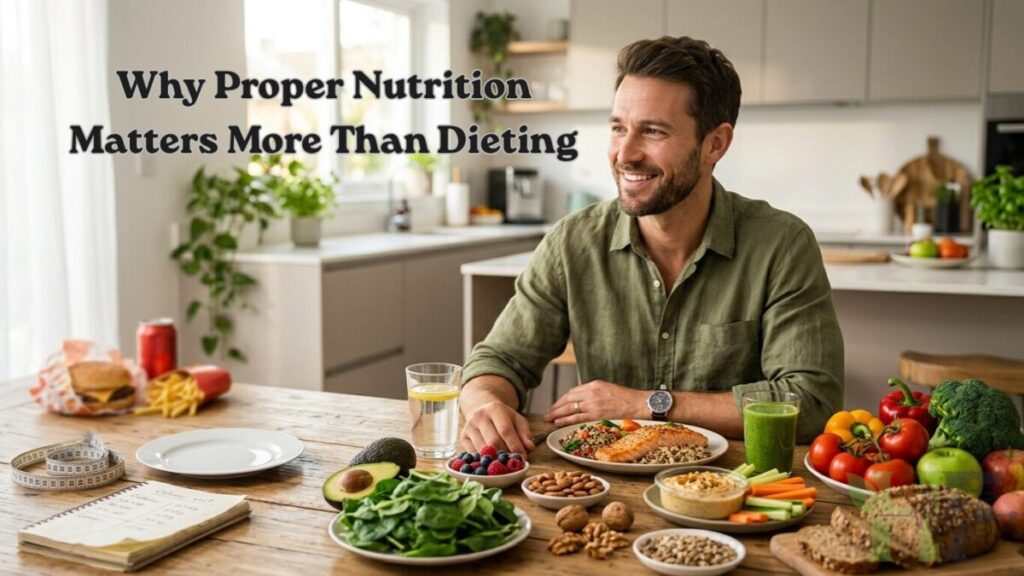
Dieting, in the traditional sense, is about subtraction. Cut carbs. Avoid fat. Skip breakfast. Stay under 1,200 calories. The entire mindset is built around removing things, which creates a weird relationship with food where you feel guilty for eating a banana.
Nutrition, on the other hand, is about addition and balance. What can we add to support your energy? What does your body actually need to keep your heart healthy, your gut moving, your brain sharp? It is a completely different lens, and it changes everything about how you approach eating.
Think about it this way. A calorie deficit diet alone might help someone drop a few pounds in the short term, but if they are not getting enough protein rich foods, iron rich foods, or fiber to support digestion, they are going to feel sluggish, moody, and hungry within weeks. That is not a sustainable plan. That is just a countdown to burnout.
What Extreme Dieting Actually Does to Your Body
Before we get into what to eat, it is worth spending a minute on what extreme dieting does to your system, because it is genuinely not great.
When you drop calories too aggressively or cut entire food groups without a thoughtful plan, your metabolism slows down to compensate. Your body is smart, it adapts to scarcity. You might lose weight initially, but you also lose muscle mass, which lowers your resting metabolic rate. That means the moment you go back to eating normally, the weight returns, sometimes more than you started with. This is the classic weight watcher cycle that so many people feel trapped in.
Extreme restriction also tanks your energy, disrupts your sleep, and messes with your hormones. Women especially can experience cycle disruptions. And the psychological toll is real, constant food rules and guilt around eating are exhausting.
The carnivore diet, strict keto, or any approach that eliminates whole food categories might show dramatic early results, but they often ignore the long-term complexity of human nutrition. Your body needs variety to thrive.
The Power of Protein Rich Foods and Why They Matter
One thing almost every credible nutrition approach agrees on is the importance of protein. Not in a bodybuilder-chugging-shakes way, but in a practical, everyday eating way.
Protein does a lot of heavy lifting in the body. It repairs tissues, supports your immune function, keeps you feeling full between meals, and helps regulate blood sugar. People who eat enough protein generally experience fewer cravings and have an easier time maintaining a healthy weight without actively trying.
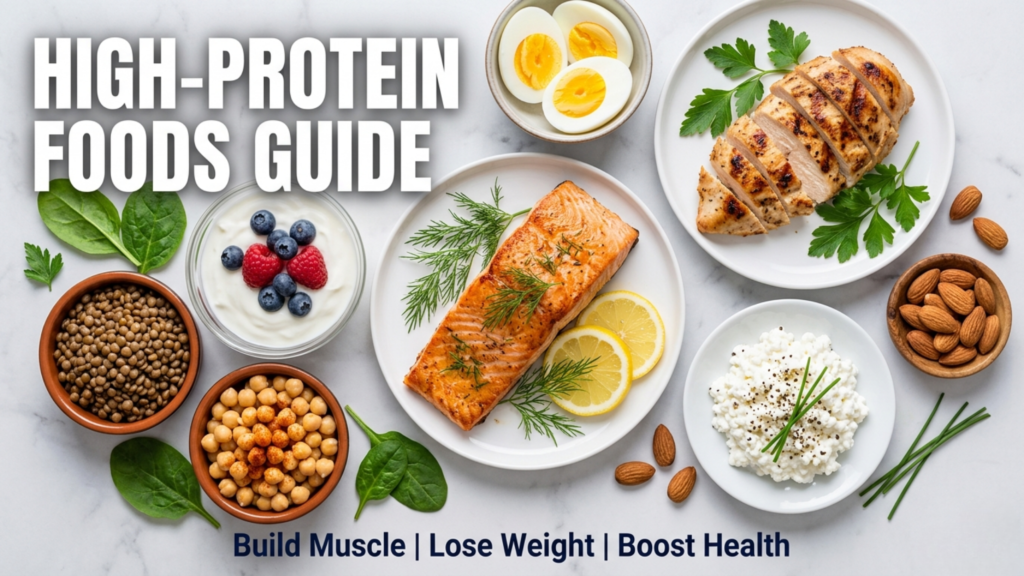
High Protein Foods Worth Adding to Your Meals
- Eggs (one of the most complete proteins available and incredibly versatile)
- Lentils and chickpeas (great for vegetarian eaters and packed with fiber too)
- Salmon and tuna (also excellent sources of omega-3 fatty acids for a heart healthy diet)
- Greek yogurt (useful as a snack or breakfast base)
- Chicken breast and turkey (lean, affordable, and easy to prepare in bulk)
- Tofu and tempeh (underrated sources of protein foods for plant-based diets)
- Cottage cheese (surprisingly high in protein and easy to add to other dishes)
The point is not to obsess over grams. It is just to make sure every meal has a solid protein source. That one habit alone transforms how you feel throughout the day.
Mediterranean Diet vs Keto Diet: A Practical Comparison
Two of the most talked-about eating approaches right now are the Mediterranean diet and the keto diet. They are very different in philosophy, and understanding those differences helps you figure out which, if either, aligns with how you want to live.
| Feature | Mediterranean Diet | Keto Diet |
| Focus | Whole foods, balance, and healthy fats | Very high fat, very low carbohydrate intake |
| Carbohydrates | Included (whole grains, legumes, fruit) | Severely restricted (usually under 50g per day) |
| Protein | Moderate (fish, legumes, some meat) | Moderate to high (meat and dairy heavy) |
| Heart Health | Strongly supported by research as a heart healthy diet | Mixed evidence; depends heavily on fat sources |
| Anti-Inflammatory | Yes, rich in anti inflammatory foods | Can reduce some inflammation but excludes many vegetables |
| Vegetarian-Friendly | Easily adaptable | Possible but significantly harder to sustain |
| Long-Term Sustainability | High; most people can follow it for life | Moderate; many find it difficult to maintain |
| Best For | Overall health, heart health, longevity | Short-term weight loss, certain metabolic conditions |
Neither is universally right or wrong. But from a pure sustainability standpoint, the Mediterranean approach wins for most people because it is not built on deprivation. It is built on abundance, olive oil, vegetables, legumes, fish, and the occasional glass of wine. That is something most people can actually live with.
Iron Rich Foods and Potassium Rich Foods: The Unsung Heroes
Most nutrition conversations center on calories, protein, and carbs. But micronutrients, the vitamins and minerals your body needs in smaller amounts, are just as critical. Two that come up constantly in my conversations with people are iron and potassium.
Iron deficiency is incredibly common, especially in women and people following plant-based diets. Low iron means persistent fatigue, poor concentration, and a weakened immune system. Yet it is one of the most overlooked nutritional gaps. Good iron rich foods include red meat, spinach, lentils, tofu, and fortified cereals. Pairing iron-containing plant foods with vitamin C sources helps your body absorb the iron more efficiently.
Potassium rich foods are essential for heart health, muscle function, and keeping your blood pressure in check. Bananas get all the credit here, but honestly, sweet potatoes, white beans, avocado, and leafy greens are even better sources. The DASH diet, which is specifically designed to support healthy blood pressure, puts a big emphasis on potassium-rich vegetables and fruits, and for good reason.
A Smarter Take on Intermittent Fasting and Calorie Deficit
Intermittent fasting has real benefits for some people, but it is worth understanding what it actually is before deciding if it fits your life. At its core, intermittent fasting is simply an eating window, most commonly a 16-hour fast with an 8-hour eating window. It is not magic. What it often does is help people naturally eat less by reducing the number of hours they are grazing throughout the day.
Similarly, a calorie deficit does work for weight loss, that is basic physiology. But there is a big difference between a thoughtful, moderate deficit and a severe restriction that leaves you nutritionally depleted. Aim for a deficit that still allows you to hit your protein targets, eat enough fiber foods for constipation prevention, and maintain energy for your day. Anything that makes you feel constantly miserable is not a plan, it is just punishment.
Interestingly, both intermittent fasting and calorie deficit approaches tend to work better long-term when paired with high quality food choices rather than just quantity control. You can eat 1,500 calories of junk food and still feel terrible.
Anti Inflammatory Foods and Digestive Health
Inflammation is one of those words that gets thrown around a lot in wellness circles, but it is genuinely important. Chronic low-grade inflammation is linked to heart disease, diabetes, arthritis, and even some mood disorders. The good news is that food is one of the most powerful levers you have to manage it.
Anti inflammatory foods include things like berries, fatty fish, leafy greens, turmeric, olive oil, and walnuts. These are not exotic superfoods that require a specialty grocery store trip. They are accessible everyday ingredients that you can build meals around without overthinking it.
Digestive health is equally underrated. The FODMAP approach is useful for people dealing with irritable bowel syndrome, as it helps identify which fermentable carbohydrates are triggering symptoms. Fiber foods for constipation relief, such as oats, beans, pears, and chia seeds, support gut motility and the diversity of your gut microbiome, which researchers increasingly link to everything from immunity to mental health.
Eating for your gut is one of the most underappreciated forms of self-care.
Tips for Building Healthy Nutrition Habits Without Extreme Dieting
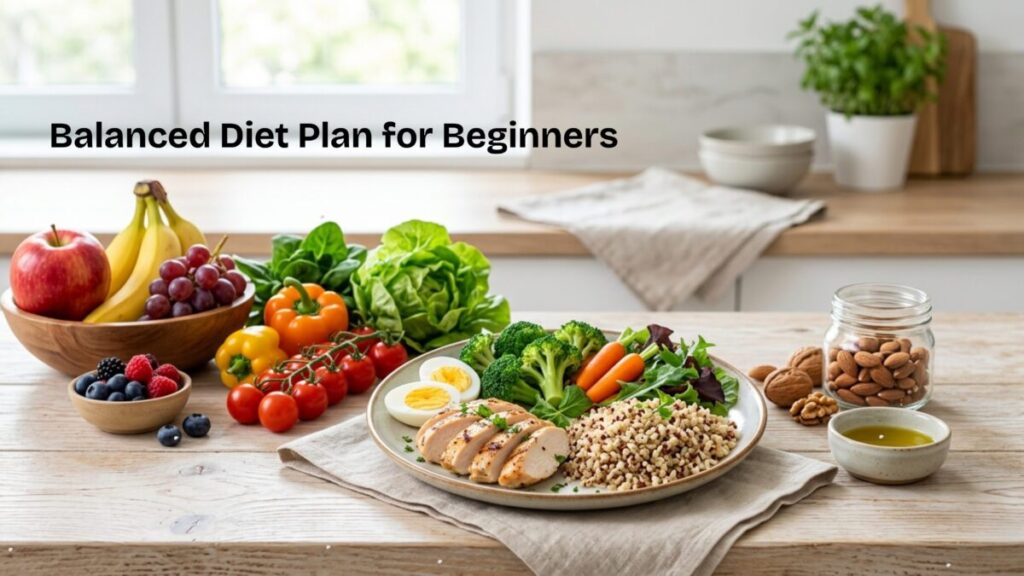
This is the part I actually care most about, because knowing what to eat means nothing if you cannot translate it into real daily habits. Here is a straightforward set of steps that work for most people, regardless of where they are starting from.
- Start with one solid protein source per meal. You do not need to overhaul everything at once. Just make sure breakfast, lunch, and dinner each have a protein anchor.
- Add vegetables first, not as an afterthought. Fill half your plate with vegetables before anything else goes on it. This naturally crowds out the less nutritious stuff without requiring willpower.
- Learn three or four healthy snacks you genuinely enjoy. Almonds and an apple. Hummus and carrots. Greek yogurt with berries. Having reliable options removes the friction of making good choices when you are hungry and tired.
- Eat enough fiber throughout the day. Most people are chronically under-eating fiber. Beans, lentils, vegetables, fruits, and whole grains all help. Your digestion, energy, and hunger levels will thank you.
- Do not demonize any single food. One cookie does not ruin your health. One salad does not fix it. Patterns over time are what matter, not individual choices.
- Stay hydrated and stop mistaking thirst for hunger. This one sounds too simple, but it is genuinely effective. Most people function significantly better when they are properly hydrated throughout the day.
- Give yourself permission to eat in a way that fits your actual life. A vegetarian approach works beautifully for some people. Others do well with a more protein-forward eating pattern. What matters is that you can sustain it.
I came across a resource from Health Fitnesses a while back that talked about building what they called a “nutritional baseline”, basically the set of daily habits that keep your body fueled without requiring obsessive tracking. That framing stuck with me because it moves the focus away from perfection and toward consistency. That shift is everything.
Common Nutrition Mistakes Worth Knowing About
Even people who genuinely care about eating well fall into a few common traps. Knowing them helps you sidestep the frustration.
- Eating too little protein while in a calorie deficit, which causes muscle loss and slows metabolism
- Relying on so-called diet foods that are actually highly processed and low in nutrients
- Skipping meals to compensate for eating more earlier, which often backfires by driving overeating later
- Treating all carbohydrates the same, white bread and brown rice are not nutritional equivalents
- Ignoring hydration and sleep, both of which have enormous effects on hunger hormones and food choices
- Jumping between eating approaches before giving any single strategy enough time to work
- Eating too few fiber foods, which affects digestion, satiety, and long-term gut health
The Bottom Line: Healthy Eating Is a Long Game Worth Playing
If there is one thing I want you to walk away with, it is this: your body is not a short-term project. It is the vehicle you will live in for the rest of your life. That deserves a thoughtful, nourishing, sustainable approach, not a desperate sprint followed by burnout.
Proper nutrition, built around protein rich foods, heart healthy diet principles, smart use of iron rich foods and potassium rich foods, and real emphasis on anti inflammatory foods and fiber, does more for your long-term health than any crash diet ever will. The Mediterranean diet approach, intermittent fasting done sensibly, a gentle calorie deficit supported by real food, these are tools that work when applied consistently and without the extremes.
Stop looking for the diet that will finally fix everything. Start building the eating habits that make your daily life feel better. That is where the real transformation lives, and it is available to you right now, without buying anything special, without suffering through another 30-day challenge, and without feeling like food is the enemy.
Eat well. Eat consistently. Trust the process.
Published by Health Fitnesses | Nutrition & Wellness Content