
General educational information. This article does not provide a diagnosis or a personal treatment plan. No medical review is claimed. Our medical review policy.
Health Fitnesses | Wellness & Sleep Health
Natural Fix That Works
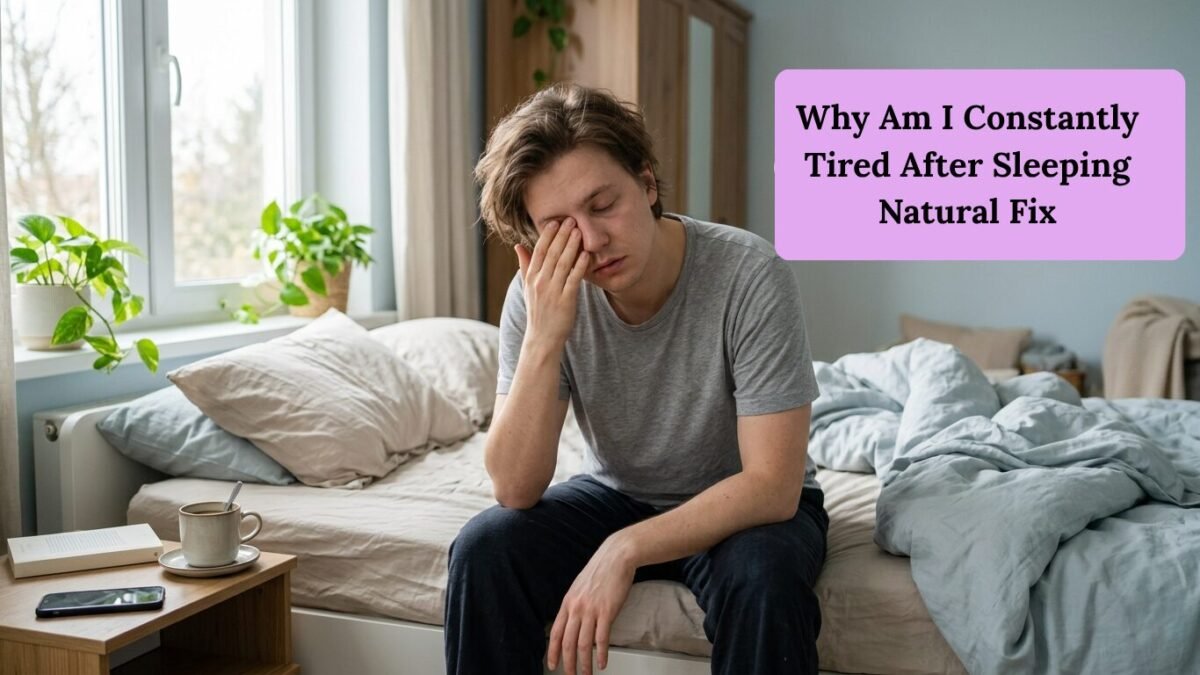
You set your alarm, got a full eight hours, and still dragged yourself out of bed wondering why you are so tired. Sound familiar? You are not alone, and honestly, it is one of the most frustrating feelings in the world. You did everything right. You went to bed on time, stayed asleep, and yet morning arrived with that same heavy fog that makes even coffee feel useless.
If you are constantly tired no matter how much you sleep, something deeper is going on. This is not just about feeling a little groggy. Millions of people are living with real fatigue and exhaustion that steals their energy, their focus, and even their motivation. And most of them have no idea why.
This guide is going to break that down for you. No medical jargon, no overwhelm. Just honest, practical answers to the question you keep asking yourself: why am I constantly tired?
The Difference Between Being Tired and Being Truly Fatigued
Most people use the words tired and fatigued interchangeably, but they are not quite the same thing. Being tired usually means your body needs rest. Sleep fixes tired. Fatigue is something different. When you are constantly fatigued, sleep does not fully restore you. You wake up exhausted. You feel drained after basic tasks. Some days you feel what many people describe simply as tired just tired, without any clear reason.
Fatigue that does not respond to normal sleep often points to something going on underneath the surface. It could be a sleep disorder, a nutritional gap, or even a hormonal imbalance. The good news is that most causes are fixable once you identify them.
When Exhaustion Becomes a Pattern
If you have been waking up feeling unrested for more than a few weeks, that pattern matters. Occasional bad nights are normal. Waking up exhausted every single morning is not. Pay attention to whether you feel worse after longer sleep, or whether certain nights leave you more drained than others. Those clues often point directly to the cause.
Why Am I Constantly Tired? The Real Causes Behind Chronic Fatigue
1. You Are Not Getting Enough REM Sleep
REM sleep is the deepest, most restorative stage of your sleep cycle. It is where your brain processes memories, regulates emotions, and repairs itself. If you are waking up frequently during the night, drinking alcohol before bed, or dealing with high stress, your body often gets robbed of quality REM sleep even during a full night in bed.
The result? You technically slept, but your brain never got the rest it actually needed. You wake up foggy, irritable, and wondering why you are so fatigued despite spending eight hours horizontal.
2. Restless Legs Syndrome (RLS) Is Disrupting Your Sleep
Sleeping restless legs is more common than most people realize. Restless legs syndrome, or RLS, causes uncomfortable sensations in the legs, usually at night, that make it nearly impossible to stay still. People with RLS often describe it as a crawling, tingling, or burning feeling that only eases when they move their legs.
The trouble is that RLS keeps pulling you out of deep sleep without you always realizing it. You might not fully wake up, but your body is constantly shifting, interrupting sleep cycles throughout the night. By morning, you feel like you barely slept at all.
3. Sleep Apnea Is Quietly Stealing Your Rest
Sleep apnea is one of the most underdiagnosed reasons people feel extremely tired after sleeping. It causes your airway to partially or fully close during sleep, forcing your brain to briefly wake you to restore breathing. This can happen dozens or even hundreds of times per night.
Many people with sleep apnea have no idea it is happening. Their partner might mention snoring or gasping sounds, but the person themselves often has no memory of waking. All they know is that no matter how long they sleep, they still feel wiped out in the morning.
One natural support method that has gained attention is mouth tape, such as the sleepwell brand, which encourages nasal breathing during sleep. Nasal breathing can reduce mild snoring and improve oxygen intake, which helps some people wake up feeling more rested. It is not a cure for clinical sleep apnea, but for mild cases it can make a noticeable difference.
4. Insomnia and Sleeplessness Beyond Just Falling Asleep
When people think of insomnia they usually picture lying wide awake and unable to fall asleep. But insomnia also includes waking up in the middle of the night and struggling to get back to sleep, or waking far too early and feeling like your mind has already started the day without you.
Chronic sleeplessness takes a serious toll. Even if you technically spend enough hours in bed, fragmented sleep means your body never completes its full repair cycles. The result is that same relentless why am I always fatigued feeling that follows you through the day.
Insomnia treatment today goes well beyond sleeping pills. Cognitive behavioral therapy for insomnia, often called CBT-I, is now considered the gold standard approach by sleep specialists. Some people also find medications like Belsomra, a prescription option that works differently from traditional sedatives, helpful under medical supervision.
5. Hypersomnia: When Too Much Sleep Is the Problem
On the opposite end of the spectrum, hypersomnia causes people to feel excessively sleepy even after sleeping for ten hours or more. It is not laziness, and it is not a character flaw. Hypersomnia is a genuine sleep disorder that leaves people struggling to stay awake during normal daytime hours despite getting plenty of nighttime sleep.
If you feel like no amount of sleep is ever enough, this is worth discussing with a doctor. A sleep study can identify what is happening during your sleep cycles and point you toward proper support.
Common Causes of Fatigue and Their Natural Fixes
The table below gives you a clear overview of the most frequent causes of waking up tired and the most effective natural approaches for each one.
| Cause of Fatigue | What It Feels Like | Natural Fix |
|---|---|---|
| Poor Sleep Quality | Wake up groggy, restless nights, tossing and turning | Fix sleep hygiene, reduce blue light, stick to consistent sleep times |
| Sleep Apnea | Snoring, gasping, heavy fatigue and exhaustion in the morning | Mouth tape (sleepwell), positional therapy, weight management |
| Restless Legs Syndrome (RLS) | Uncomfortable leg sensations, can't stay still, sleeping restless legs | Magnesium supplements, warm baths, reduce caffeine intake |
| REM Sleep Disruption | Vivid dreams, frequent waking, not feeling rested | Limit alcohol, maintain consistent sleep schedule, manage stress |
| Hypersomnia | Excessive sleepiness even after long hours asleep | Professional evaluation, sleep study, cognitive behavioral therapy |
| Insomnia | Can't sleep, lying awake for hours, early waking | Insomnia treatment: CBT-I, melatonin, relaxation techniques |
| Nutritional Deficiency | Constant fatigue, brain fog, muscle weakness | Iron, B12, Vitamin D supplementation with diet adjustment |
| Dehydration | Fatigue, headaches, difficulty concentrating | Drink 8+ glasses of water daily, reduce caffeine and alcohol |
Natural Fixes That Actually Work for Better Sleep
Rebuild Your Sleep Hygiene From the Ground Up
Sleep hygiene sounds clinical, but it simply means the habits and environment that either support or sabotage your sleep. The basics matter more than most people give them credit for. Going to bed at a consistent time, keeping your bedroom cool and dark, and avoiding screens for at least an hour before sleep all send powerful signals to your nervous system that it is time to wind down.
Small habits compound over time. One week of consistent bedtimes might not transform everything, but three weeks of it often produces a noticeable shift in how rested you feel each morning.
Address Nutritional Gaps That Cause Fatigue
Iron deficiency, low vitamin B12, and insufficient vitamin D are three of the most common nutritional causes of chronic tiredness. These deficiencies are remarkably easy to overlook because their symptoms, like fatigue, brain fog, and low mood, are so general that people often chalk them up to stress or just getting older.
A simple blood panel can reveal whether any of these are contributing to your fatigue. If they are, targeted supplementation alongside dietary changes can make a dramatic difference within weeks.
Manage Stress and Cortisol Levels
Stress is one of the most underestimated sleep disruptors. When your cortisol levels stay elevated into the evening, your body resists falling into deep sleep. You might lie in bed feeling physically tired but mentally wired, staring at the ceiling wondering why you cant sleep even when you are exhausted.
Natural approaches like magnesium glycinate before bed, daily movement, mindfulness, and consistent wind-down routines help lower cortisol levels and improve sleep depth significantly over time.
Tips for Choosing the Right Sleep Improvement Method
With so many products, methods, and advice out there, knowing where to start can feel overwhelming. Here are some grounded, practical tips to help you find what will actually work for your situation.
- Identify your specific problem first. Are you struggling to fall asleep, stay asleep, or simply wake up feeling unrefreshed? Each issue has different solutions. Targeting the right problem saves time and frustration.
- Start with lifestyle before supplements or medication. Fixing your sleep schedule, cutting back on caffeine after 2pm, and reducing screen time at night are free and often surprisingly effective.
- Track your sleep for one to two weeks. Use a simple journal or a wearable device to notice patterns. Do you always wake at 3am? Do you feel worse after certain foods or activities? Patterns reveal causes.
- Look into CBT-I if insomnia is the core issue. Cognitive behavioral therapy for insomnia has stronger long-term results than most sleep medications and has no side effects. Many therapists and apps offer it now.
- Consider a sleep study if you snore heavily or feel extremely tired regardless of sleep length. Sleep apnea and other disorders require proper diagnosis. Guessing without data rarely works for these conditions.
- Be consistent with any new approach for at least three to four weeks. Sleep improvements take time to show results. Giving up after three days because you still feel tired is one of the most common mistakes people make.
- Talk to a doctor if symptoms are severe or have lasted longer than three months. Chronic fatigue can sometimes signal thyroid issues, anemia, or other health conditions that need professional attention.
A Story Worth Sharing
A few months ago, a reader who follows Health Fitnesses reached out to share something that stuck. She had been waking up exhausted for almost a year. She tried everything she read about online, from herbal teas to expensive supplements to new pillows. Nothing worked. Eventually, she decided to track her sleep properly and discovered she was waking up four to six times a night due to restless sleep patterns she had never noticed.
Once she identified the actual problem, the solution became much simpler. Consistent bedtimes, magnesium before bed, and cutting her evening wine habit all contributed to finally getting real sound sleep. It was not one big fix but a combination of small, consistent changes that added up to something significant.
Her story is a reminder that why am I constantly tired is rarely answered by one single cause. It is usually a combination of factors, and finding them requires some honest self-observation.
What Sound Sleep Actually Feels Like
Many people have been tired for so long that they have forgotten what genuinely rested feels like. Sound sleep is not just the absence of waking up. It means you fall asleep within about twenty minutes, sleep through the night mostly without interruption, wake up at roughly the same time naturally, and feel alert within thirty minutes of getting up.
If that sounds like a fantasy right now, it should not be your permanent reality. The goal is to get you back to feeling like that is normal, because it is.
Signs Your Sleep Quality Needs Attention
- You feel groggy or disoriented for more than thirty minutes after waking
- You rely on caffeine to function through the first half of the day
- You feel a strong urge to nap most afternoons
- Your mood is consistently low or irritable in the morning
- You notice memory lapses or difficulty concentrating during normal tasks
- Your legs feel restless or uncomfortable when you are trying to fall asleep
- You snore loudly or have been told you stop breathing during sleep
Final Thoughts: You Do Not Have to Stay Tired
Waking up exhausted day after day is not just inconvenient. It affects your relationships, your work, your mood, and your long-term health. The question of why am I extremely tired after sleeping deserves a real answer, not just a shrug and another cup of coffee.
The good news is that most sleep problems have solutions. Whether it is addressing RLS, treating underlying insomnia, improving your sleep environment, filling nutritional gaps, or exploring options like better breathing habits during sleep, there are real, natural fixes that work.
Start by observing your own patterns. Be honest about your habits. Try one or two changes consistently before moving on to the next. And if things do not improve after a few weeks of genuine effort, please speak with a doctor. You deserve to wake up feeling rested.
Sleep is not a luxury. It is the foundation everything else in your health is built on. Protect it, and the rest of your life tends to get better too.
Published by Health Fitnesses | All content is for informational purposes only and does not constitute medical advice.