
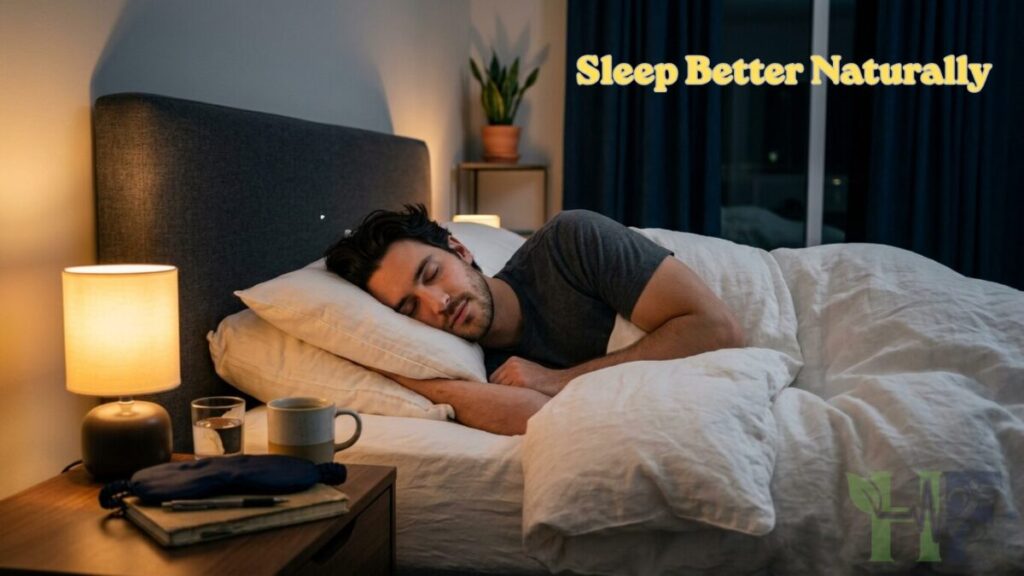
Real Strategies That Actually Work
By Health Fitnesses | Health & Wellness | Sleep & Recovery
Let’s be honest there’s something almost cruel about lying in a dark room, exhausted, and still not being able to sleep. You’ve been awake since 3am. Your thoughts won’t stop. The ceiling has become weirdly familiar. Sound like you?
Sleep is one of those things that feels effortless until it isn’t. And once you start struggling with it, everything else starts to fray your mood, your concentration, your patience, your health. Sleep deprivation isn’t just about feeling groggy. It’s a genuine physiological problem that compounds quietly over time.
The good news? Most people don’t need sleeping tablets or clinical insomnia treatment to sleep well again. In a lot of cases, the answer lies in small, consistent changes that work with your body not against it. That’s exactly what this guide is about.
Why Quality Sleep Matters More Than You Think
We spend roughly a third of our lives asleep. That’s not wasted time it’s when your body does its most important work. Hormones are regulated. Memories are consolidated. Immune cells are replenished. Your brain literally flushes out metabolic waste during deep sleep through something called the glymphatic system.
When you consistently miss out on sound sleep, you’re not just tired. You’re operating with slower cognitive processing, elevated stress hormones, weakened immunity, and a nervous system that’s stuck in a low-grade fight-or-flight state. Research has connected chronic sleeplessness to everything from weight gain and anxiety to increased cardiovascular risk.
REM sleep the stage where most dreaming happens is especially critical. It plays a key role in emotional regulation and memory. People who are chronically short on REM sleep often feel inexplicably irritable or emotionally fragile, even if they can’t pinpoint why.
The goal isn’t just getting more hours. It’s getting the right kind of rest the restorative, deep, uninterrupted kind that actually leaves you feeling human the next morning.
Common Reasons You’re Not Sleeping Well
Before fixing a problem, it helps to understand it. Here are some of the most common culprits behind poor sleep and a few that often go unrecognized:
- Stress and racing thoughts: The most common cause of lying awake. Cortisol keeps your brain alert even when your body is begging to switch off.
- Irregular sleep schedule: Your circadian rhythm is a biological clock. Inconsistency throws it off completely.
- Screen exposure before bed: Blue light from phones and laptops suppresses melatonin production sometimes for hours.
- Caffeine and alcohol: Both are sneaky sleep disruptors. Alcohol might help you fall asleep faster but fragments your sleep later in the night.
- Restless legs (RLS): A surprisingly common condition where uncomfortable sensations in the legs especially at night make it nearly impossible to stay still. If you’ve never heard of restless legs syndrome, and this resonates, it’s worth mentioning to a doctor.
- Hypersomnia or over-sleeping: Sometimes too much sleep is also a symptom of an underlying issue depression, thyroid problems, or sleep apnea.
- Environmental factors: Light, temperature, noise, and even your mattress can play a much bigger role than people realize.
Natural Tips to Improve Sleep Quality and Deep Rest
This is where things get practical. These strategies aren’t complicated, but they work and unlike doxylamine or other over-the-counter sleep aids, they don’t leave you groggy the next day or create dependency.
1. Lock In a Consistent Sleep and Wake Time
This is genuinely the single most powerful thing you can do for your sleep. Go to bed and wake up at the same time every day yes, weekends included. Your body’s internal clock thrives on consistency. Within a couple of weeks, you’ll notice it becoming easier to fall asleep and wake up naturally.
2. Create a Wind-Down Routine
Think of the hour before bed as a transition zone. Your nervous system needs a signal that it’s time to shift from active mode to rest mode. Some people read. Others take a warm bath, which actually works by causing a drop in core body temperature afterward a natural sleep trigger. The specific activity matters less than the consistency.
3. Try Relaxing Music for Sleep
This one gets overlooked, but it genuinely helps. Slow, calming music particularly at around 60 beats per minute has been shown to slow heart rate and ease anxiety. Nature sounds, ambient music, or binaural beats work well too. If you’re lying in bed with a busy mind, having something gentle to focus on gives your brain something to do other than spiral.
4. Use a Sleep Mask or Eye Mask
Even small amounts of light can interfere with melatonin release. A good sleep mask or eye mask is an easy, affordable fix. Products like the Manta sleep mask have become popular because they’re contoured to fit without pressing on your eyes, which makes a real difference in comfort. If you’re a light sleeper or you share a room, this one change alone can noticeably improve how deep your sleep is.
5. Consider Mouth Tape for Sleep
Mouth taping sounds strange, but it’s gained real traction in wellness communities and for good reason. Breathing through your nose during sleep is significantly better than mouth breathing. Nasal breathing filters air, maintains better oxygen-CO2 balance, and produces more nitric oxide. Mouth tape for sleep (designed specifically for nighttime use) gently encourages nasal breathing. It can reduce snoring, dry mouth, and even improve sleep quality in people with mild sleep-disordered breathing. Always check with a doctor first if you have any breathing concerns.
6. Optimize Your Sleep Environment
Keep your bedroom cool around 65-68°F (18-20°C) is often cited as optimal. Make it as dark and quiet as possible. Your bedroom should mentally signal sleep, not work or screen time. If you work from home, this distinction matters even more.
7. Watch What You Eat and Drink Before Bed
Heavy meals within two hours of bed can interfere with sleep quality. Alcohol might feel relaxing, but it suppresses REM sleep and causes more fragmented sleep in the second half of the night. Caffeine’s half-life is around five to seven hours that afternoon cup of coffee may still be active in your system at midnight.
On the flip side, foods like cherries, kiwi, and oats naturally support melatonin and serotonin production. A small, carbohydrate-light snack before bed can actually help some people sleep better particularly if they tend to wake up hungry.
8. Move Your Body But Not Too Late
Regular physical activity is one of the most evidence-backed ways to improve sleep. Even a daily 30-minute walk can make a meaningful difference. Just try to avoid vigorous exercise within two to three hours of bedtime, as it raises your core temperature and adrenaline levels.
Sleep Tools & Strategies at a Glance
Here’s a quick reference comparing some popular natural sleep strategies including a few products people often ask about:
| Sleep Strategy | What It Does | Best For |
| Sleep Mask / Eye Mask | Blocks ambient light for melatonin support | Light sleepers, shift workers |
| Mouth Tape for Sleep | Encourages nasal breathing, reduces snoring | Snorers, mouth breathers |
| Relaxing Music for Sleep | Slows heart rate, eases anxiety | Stress-related sleeplessness |
| White Noise / Nature Sounds | Masks disruptive background sounds | Light sleepers, noisy environments |
| Cool Room Temperature | Signals body to enter sleep mode | Night sweats, restless sleepers |
| Magnesium Supplement | Supports muscle relaxation and REM sleep | Restless legs, tension headaches |
| Digital Detox (1hr before bed) | Reduces blue light, lowers cortisol | Screen-heavy lifestyles |
The Role of Stress and Anxiety in Sleeplessness
Anxiety and sleep have a deeply frustrating circular relationship. Stress makes it harder to sleep. Poor sleep makes you more anxious. Repeat indefinitely.
If your mind tends to race the moment your head hits the pillow, the problem isn’t just about sleep hygiene it’s about your nervous system still being in a state of alertness. A few approaches worth trying:
- Progressive muscle relaxation: Systematically tensing and releasing muscle groups from your feet upward. It sounds simple, but it directly counteracts the physical tension that anxiety creates.
- The 4-7-8 breathing technique: Inhale for 4 counts, hold for 7, exhale for 8. This activates your parasympathetic nervous system and genuinely helps.
- Journaling before bed: Getting your thoughts out of your head and onto paper removes their power to keep cycling.
- Cognitive Behavioral Therapy for Insomnia (CBT-I): This is actually considered the gold standard for insomnia treatment more effective long-term than sleep aids. If you’ve struggled for a while, look into a therapist trained in CBT-I or explore digital CBT-I programs.
When to Seek Proper Insomnia Treatment
Most sleep issues are temporary and respond to lifestyle changes. But there are situations where it makes sense to talk to a doctor:
- You’ve been struggling to sleep for more than three months, three or more nights a week
- Your sleeplessness is significantly affecting your daytime functioning, mood, or relationships
- You experience symptoms of restless legs syndrome (RLS) an uncomfortable urge to move your legs, especially at night
- You wake up unrefreshed despite getting enough hours this can sometimes indicate sleep apnea
- You’re relying on doxylamine or other sleep aids regularly
- You experience symptoms of hypersomnia excessive daytime sleepiness even after a full night’s sleep
Sleep disorders are real medical conditions. There’s no virtue in pushing through without support if you genuinely need it.
Building Better Sleep Habits Into Your Lifestyle
A few months ago, I came across a piece on Health Fitnesses about the relationship between gut health and sleep quality. It stopped me in my tracks because until then, I hadn’t connected the two. The article pointed out that your gut microbiome plays a significant role in producing serotonin, which then converts to melatonin. It’s one of those reminders that sleep isn’t just a bedtime issue it’s a whole-body issue.
That’s honestly the perspective shift that tends to help people the most. Sleep isn’t something you fix in isolation. It’s connected to how you eat, how you move, how you manage stress, and how consistently you treat your body like something worth looking after.
Small habits done consistently beat dramatic overnight changes every single time. Start with two or three things from this article. Give them two weeks. Then add another. You’re not trying to overhaul your life you’re just building conditions that make good sleep more likely.
Final Thoughts: You Can Sleep Well Again
If you’ve been struggling with sleep, you already know how much it affects every corner of your life. It’s exhausting in more ways than one. But the path back to sound sleep genuinely deep, restorative rest doesn’t have to be complicated.
Most people find their way back through consistency, environment, and addressing the underlying stress or habits that have been quietly working against them. Whether that means trying a sleep mask, exploring mouth tape for sleep, setting up a proper wind-down routine, or finally talking to a professional about insomnia treatment every step toward better rest is worth taking.
You don’t have to feel this worn down. Sleep well. Take it one night at a time.
Disclaimer: This article is for informational purposes only and is not a substitute for professional medical advice. If you have concerns about your sleep, please consult a qualified healthcare provider.