Many people believe fitness requires expensive gym memberships, personal trainers, and specialized equipment. They picture themselves pumping iron in crowded facilities or running on treadmills under fluorescent lights. But here’s what I’ve learned after working with hundreds of clients: that belief is holding you back from your best self.
The truth? You don’t need a gym to build strength, improve endurance, or maintain excellent health. Some of my most successful clients have never set foot in a gym facility. They’ve built incredible fitness using simple daily habits, creative bodyweight exercises, and smart movement choices. If you’re tired of expensive memberships draining your wallet or you simply prefer exercising on your own schedule, this article will show you exactly how to stay fit without going to the gym.
Can You Really Stay Fit Without Going to the Gym?
Absolutely. Here’s what most people miss about fitness: it’s fundamentally about movement and consistency, not location or equipment.
Your body responds to physical stress and challenge. Whether that stress comes from lifting dumbbells or doing push-ups in your living room doesn’t matter nearly as much as whether you’re creating that challenge regularly. I’ve seen people get lean, strong, and healthy using nothing but bodyweight and the outdoor environment around them.
When you exercise without a gym, you gain several genuine advantages:
- Flexibility on your schedule No driving, no waiting for equipment, no class times. You control when you move.
- Reduced financial pressure Most gym-free approaches cost nothing or very little.
- Increased consistency When workouts happen at home, barriers to starting disappear.
- Greater accessibility You’re not limited by gym hours or membership costs.
- Sustainable long-term People who build home and outdoor exercise habits tend to stick with them for years.
The real barrier isn’t capability. It’s knowledge and commitment.
Why More People Are Choosing Fitness Without a Gym
The fitness landscape has shifted dramatically. Pre-pandemic, gym culture was dominant. But something changed. People realized they could exercise effectively at home, in parks, and outdoors. That realization stuck.
Cost is the obvious reason. A gym membership ranges from $30 to $200+ monthly depending on your location and facility. Over a year, that’s hundreds or thousands of dollars. Meanwhile, fitness without gym investments costs almost nothing after your initial setup.
Busy schedules drive the second reason. If you’re balancing work, family, and other responsibilities, commuting to a gym adds 20-30 minutes to your routine before you even start exercising. That friction means many people skip workouts entirely. But a 15-minute session at home? Most people can find that.
Consistency improves dramatically when there’s no commute or scheduling requirement. You’re more likely to complete workouts when they happen right where you live. Over months and years, that consistency compounds into real results.
Greater control appeals to people who prefer privacy or customized routines. You’re not self-conscious about your fitness level, and you’re not waiting for machines or following class schedules.
Best Ways to Stay Fit Without a Gym Membership
Walking
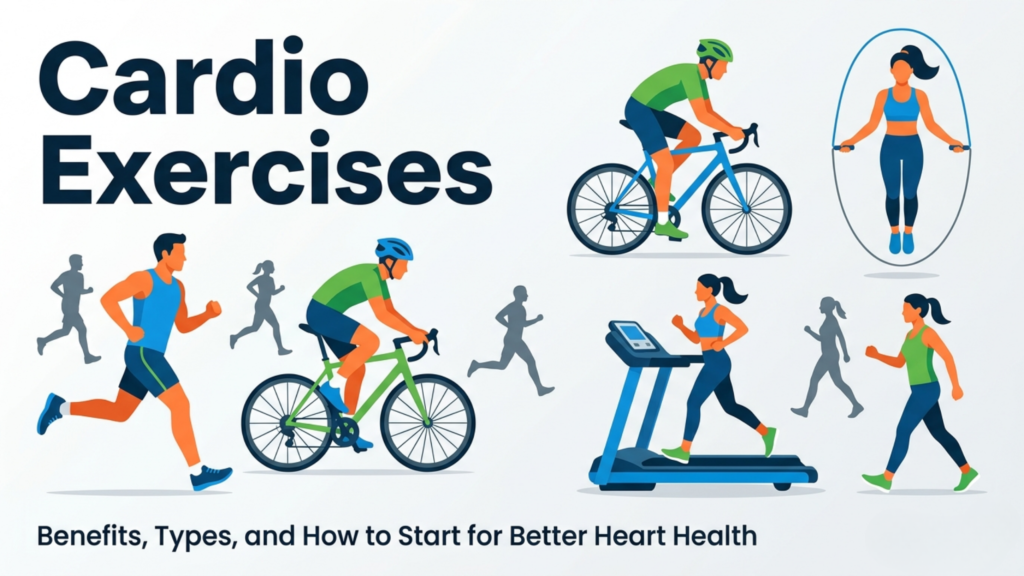
The simplest and most underrated form of exercise. A brisk 30-minute walk burns calories, strengthens your heart, and clears your mind. The best part? It costs nothing and requires no special equipment.
Walk after meals to help regulate blood sugar. Walk during your lunch break instead of sitting. Walk to nearby destinations instead of driving. These small choices accumulate into significant fitness benefits.
Running or Jogging
Running builds cardiovascular endurance rapidly. Start with 15-20 minute sessions at a comfortable pace. You only need decent shoes and an outdoor route. Many people find running clears their head better than any gym environment.
Cycling
Whether outdoor cycling or a stationary bike you already own, cycling builds leg strength and endurance while being easy on your joints compared to running.
Hiking
Hiking combines walking with varied terrain, building strength in different muscle groups. Weekend hikes become both exercise and stress relief.
Swimming
If you have access to a pool, swimming is outstanding for full-body fitness. It builds strength and endurance while being low-impact.
Jump Rope
Inexpensive and incredibly effective for cardio and coordination. Just 10-15 minutes burns significant calories.
Dancing
Put on music and move. Dancing improves coordination, burns calories, and actually feels fun instead of like punishment.
Sports and Recreational Activities
Basketball, soccer, badminton, tennis recreational sports build fitness while being enjoyable. Many community centers offer free or low-cost access.
Home Workouts to Stay Fit
These exercises require nothing but your body and a small space:
| Exercise | Target Areas | Duration | Reps/Sets |
| Push-ups | Chest, shoulders, triceps | 5-10 minutes | 3 sets of 8-15 |
| Squats | Legs, glutes, core | 5-8 minutes | 3 sets of 15-20 |
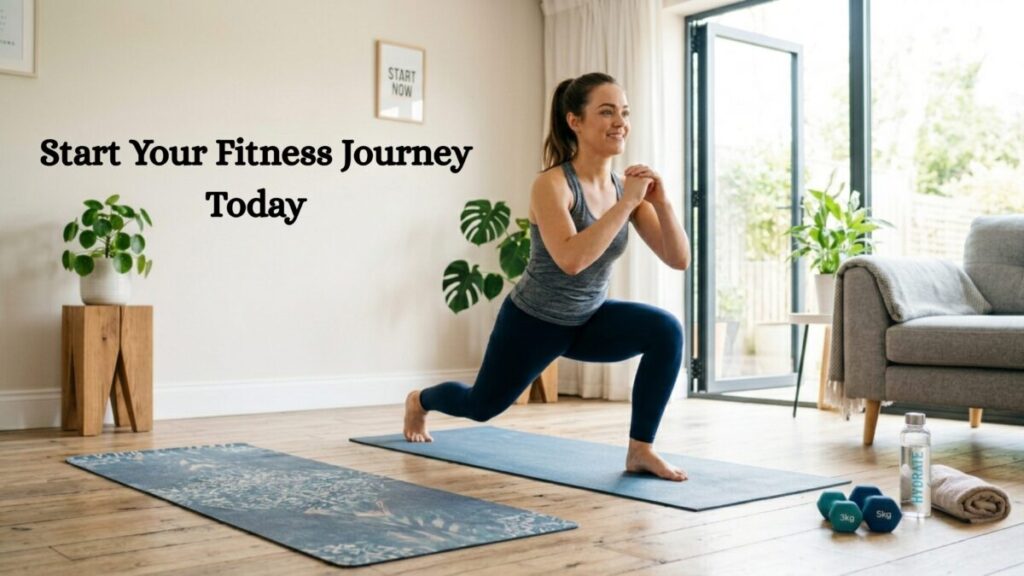
| Lunges | Legs, glutes, balance | 5-10 minutes | 3 sets of 10-12 each leg |
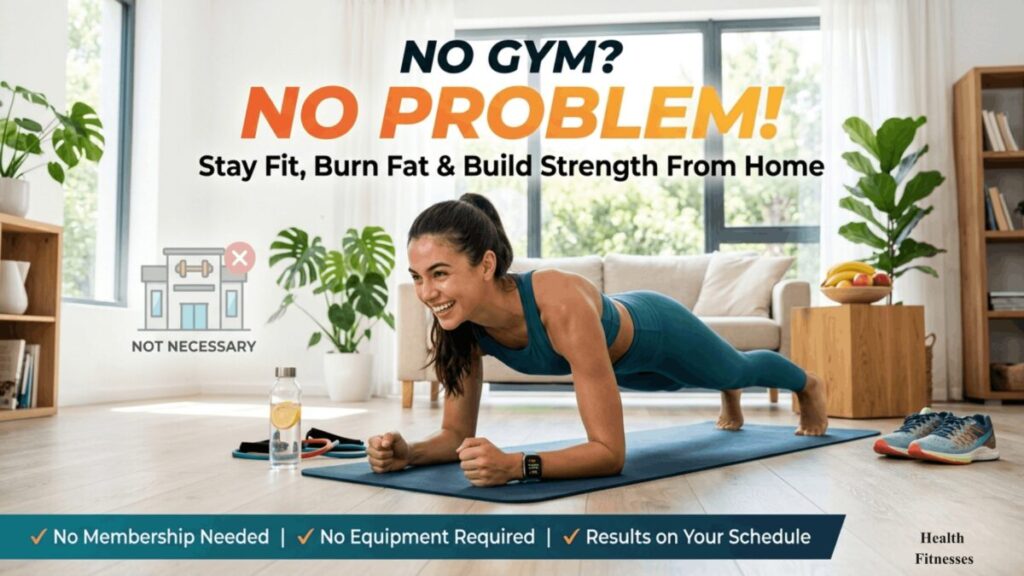
| Planks | Core, shoulders, back | 5-8 minutes | 3 sets of 30-60 seconds |
| Mountain Climbers | Full body, cardio | 5 minutes | 3 sets of 20-30 |
| Burpees | Full body, cardio, strength | 5 minutes | 3 sets of 10-15 |
| Glute Bridges | Glutes, lower back, core | 5 minutes | 3 sets of 15-20 |
These seven exercises form the foundation of effective bodyweight training. They target major muscle groups, build strength and endurance, and require zero equipment.
How to Exercise Without Gym Equipment
Bodyweight training is your primary tool. Your own body provides sufficient resistance for building strength, especially if you’re beginning your fitness journey.
Resistance using household objects works surprisingly well. Fill a backpack with books for weighted squats or lunges. Use a sturdy chair for step-ups. Use a towel for resistance exercises.
Stair workouts are criminally underused. Run up stairs, do step-ups, or simply walk up and down multiple times. Stairs build leg strength and cardiovascular fitness intensely.
Outdoor workouts expand your options. Parks provide benches for step-ups, dips, and incline push-ups. Trees can serve as pull-up bars if they’re sturdy enough.
Mobility exercises like yoga, stretching, and dynamic movement improve flexibility and prevent injury.
Daily Habits to Stay Fit Naturally
Real fitness isn’t just about dedicated workout sessions. It’s about moving throughout your day:
- Walk after meals This improves digestion and blood sugar management
- Take stairs instead of elevators Small choice, meaningful impact
- Stretch regularly Morning and evening stretching maintains mobility
- Take active breaks Stand up and move every hour while working
- Stand more often Sitting for 8+ hours daily deteriorates fitness
- Prioritize sleep Recovery is where your body actually improves
- Make better nutrition choices You can’t out-exercise poor eating habits
These habits seem small individually. Combined, they transform your overall fitness level.
Fitness Tips for Busy People
If you genuinely don’t have an hour for exercise:
10-minute workouts accomplish more than you’d expect. A focused 10-minute session beats no workout. Do three sets of push-ups, squats, and lunges. Done.
Exercise snacking means doing a few reps throughout your day. Ten push-ups in the morning, ten at lunch, ten before bed adds up.
Morning movement routines set your day’s energy. Even 10 minutes of stretching or light cardio improves focus and mood.
Active commuting turns travel time into exercise. Walk or bike instead of driving short distances.
Weekend fitness planning ensures you have longer sessions when your schedule permits.
Effective Workouts Without a Gym
Beginner Routine (3 days weekly)
- 5-minute warm-up walk
- 3 sets of 10 push-ups (modify on knees if needed)
- 3 sets of 12 squats
- 3 sets of 30-second planks
- 5-minute cool-down walk
Total: 25-30 minutes
Intermediate Routine (4 days weekly)
- 5-minute warm-up
- 3 sets of 12 push-ups
- 3 sets of 15 squats
- 3 sets of 12 lunges (each leg)
- 3 sets of 10 burpees
- 3 sets of 45-second planks
- 10-minute jog or walk
Total: 40-45 minutes
Advanced Routine (5 days weekly)
Combine these workouts with running, cycling, or other cardio 3-4 days weekly. Add resistance using household items. Increase volume and intensity progressively.
Common Mistakes to Avoid When Exercising at Home
Inconsistent routines destroy results. You need steady, repeated effort. Three workouts weekly for a year beats sporadic intense efforts.
Poor exercise form leads to injury and ineffective training. Watch quality instructional videos to learn proper technique before adding intensity.
Skipping warm-ups increases injury risk and reduces performance. Always spend 5 minutes warming up your joints and muscles.
Ignoring recovery means your body doesn’t actually improve. Take rest days, sleep adequately, and eat properly.
Unrealistic expectations kill motivation. You won’t look like a fitness model in four weeks. But you’ll feel noticeably stronger and healthier in 8-12 weeks of consistent effort.
How to Maintain Fitness at Home Long-Term
Building habits takes about 8-12 weeks. Start small, stay consistent, and gradually increase difficulty.
Tracking progress keeps you motivated. Use your phone to note workouts completed. Take monthly progress photos. Track how many push-ups you can do.
Staying motivated requires connecting to your “why.” Why do you want to be fit? Better health? More energy? Confidence? Keep that reason visible.
Setting realistic goals matters tremendously. “Exercise 4 times weekly for 30 minutes” is realistic. “Become shredded in a month” isn’t.
Creating a sustainable routine means choosing exercises you actually enjoy. If you hate running, don’t run. If you love dancing, dance. Sustainability beats perfection.
Thousands of people get incredible results using free resources, home workouts, and outdoor movement. Health Fitnesses emphasizes that effective fitness doesn’t require expensive memberships it requires consistency and smart choices.
Final Thoughts
Fitness built outside traditional gyms lasts longer. You’ve proven to yourself you don’t need fancy equipment or group classes. You’ve built genuine habits based on actual enjoyment, not temporary motivation.
Start this week. Choose one outdoor activity you enjoy and one home workout routine. Commit to four weeks. You’ll be surprised by how much stronger and healthier you feel. Real fitness isn’t about the environment where you exercise it’s about showing up consistently and moving your body regularly.
Your best fitness journey doesn’t require a gym membership. It requires commitment and smart choices. You already have everything you need.