What Eating Them Every Day Can Do for Your Body
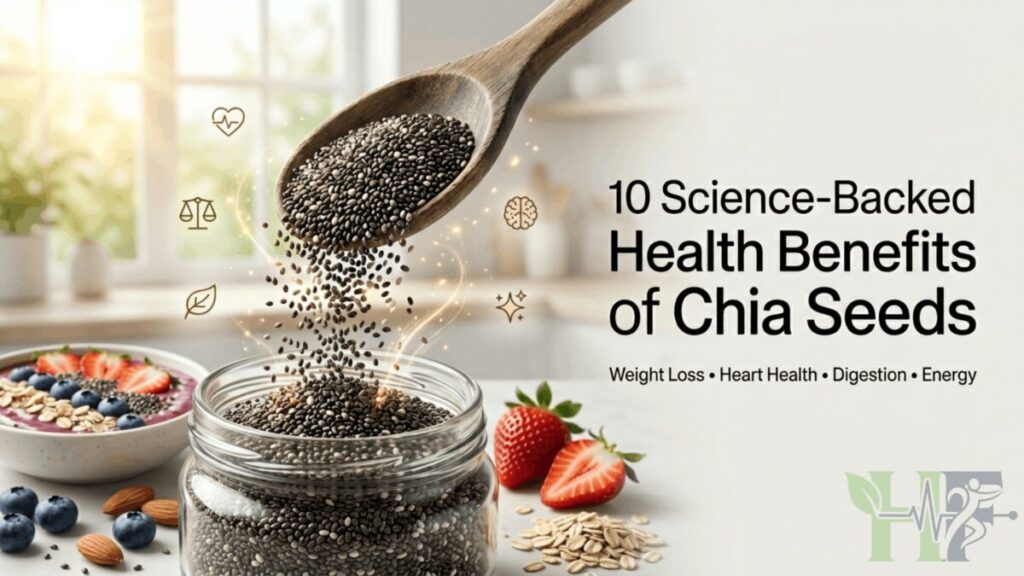
You have probably noticed chia seeds showing up in smoothies, puddings, and health food aisles more than ever before. A decade ago, most people had never heard of them. Now they are a staple in kitchens across the world. And while some food trends fade quickly, chia seeds have stuck around for a good reason. The health benefits of chia seeds are genuinely impressive, backed by solid nutritional science rather than marketing hype.
These tiny seeds, barely larger than a poppy seed, pack an extraordinary amount of fiber, protein, healthy fats, vitamins, and minerals into every serving. Whether you are trying to manage your weight, support your heart, or simply eat more nutrient-dense foods, chia seeds have something to offer. This article walks through what makes them so valuable, how to use them, and what you should know before adding them to your daily routine.
What Are Chia Seeds?
Chia seeds come from the Salvia hispanica plant, a flowering herb native to Mexico and Guatemala. They were a dietary staple for the Aztec and Mayan civilizations, prized for their ability to sustain energy during long journeys and physical labor. The word ‘chia’ itself is believed to mean ‘strength’ in the Mayan language.
For centuries, these seeds provided essential nutrients to entire populations with limited access to the variety of foods we have today. Modern nutritional research has confirmed what ancient civilizations seemed to understand intuitively: chia seeds are one of the most nutrient-dense foods available from a plant source.
They are often called a superfood, though that term can be overused. In this case, it is reasonably earned. The combination of omega-3 fatty acids, dietary fiber, plant-based protein, antioxidants, and trace minerals in a single small seed is genuinely unusual in the plant world.
Chia Seeds Nutrition Facts
Understanding the nutritional profile of chia seeds helps explain why so many health professionals and dietitians recommend including them in a balanced diet. The table below outlines what you get from a 100-gram serving, which is roughly equivalent to about six to seven tablespoons.
| Nutrient | Amount per 100g | Health Benefit |
| Dietary Fiber | 34.4g | Supports digestion, promotes fullness, feeds gut bacteria |
| Protein | 16.5g | Plant-based protein for muscle repair and satiety |
| Omega-3 Fatty Acids (ALA) | 17.8g | Reduces inflammation, supports heart and brain health |
| Calcium | 631mg | Strengthens bones and teeth, supports nerve function |
| Magnesium | 335mg | Regulates blood sugar, supports sleep and muscle function |
| Iron | 7.7mg | Carries oxygen in blood, reduces fatigue |
| Antioxidants (Quercetin, Chlorogenic Acid) | High | Protects cells from oxidative stress and free radical damage |
| Phosphorus | 860mg | Supports bone structure and energy metabolism |
| Zinc | 4.6mg | Immune function, wound healing, reproductive health |
To put this in practical terms, a standard two-tablespoon serving (about 28 grams) delivers roughly 10 grams of fiber, 4 grams of protein, and 5 grams of omega-3 fatty acids. That is a significant nutritional return for something so small.
Top Health Benefits of Chia Seeds
The health benefits of chia seeds span several body systems, from cardiovascular health to digestion to hormonal balance. Here is a closer look at what the research and nutritional evidence suggests.
Chia Seeds for Heart Health
The omega-3 fatty acids in chia seeds, primarily in the form of alpha-linolenic acid (ALA), are one of the key reasons these seeds are considered heart-healthy foods. ALA has been associated with reduced inflammation and lower triglyceride levels in some studies, both of which matter for cardiovascular health. The fiber content also helps lower LDL cholesterol by binding to it in the digestive tract and carrying it out of the body.
Chia seeds are also rich in magnesium and potassium, two minerals that support healthy blood pressure regulation. If you are looking for simple, practical ways to support heart function through diet, incorporating chia seeds into your meals is a reasonable step.
Chia Seeds for Weight Loss
Chia seeds for weight loss work largely through two mechanisms: fiber and protein. The soluble fiber in chia seeds absorbs water and expands in the stomach, creating a gel-like substance that slows digestion and prolongs the feeling of fullness. This can naturally reduce how much you eat throughout the day without you having to count calories obsessively.
The protein content also plays a role. Protein is the most satiating macronutrient, and having 4 grams of plant-based protein in a small serving can meaningfully reduce cravings between meals. That said, chia seeds are not a magic solution. They work best as part of a sensible, balanced nutrition approach rather than a standalone weight loss tool.
Chia Seeds for Digestion
If there is one area where chia seeds consistently shine, it is digestion. With over 34 grams of dietary fiber per 100 grams, they are among the highest-fiber foods you can find. Most adults fall well short of the recommended daily fiber intake, and chia seeds can help close that gap efficiently.
The soluble fiber feeds beneficial gut bacteria, supporting a healthy microbiome. The insoluble fiber adds bulk to stool and helps maintain regular bowel movements. Many people who struggle with sluggish digestion or irregularity find that adding chia seeds to their routine makes a noticeable difference within a few weeks.
Chia Seeds for Blood Sugar Support
The fiber and protein combination in chia seeds helps slow the absorption of glucose into the bloodstream. This means that blood sugar levels rise more gradually after eating, which can be particularly helpful for people managing type 2 diabetes or insulin sensitivity.
Some research suggests that chia seeds may also reduce spikes in blood sugar when consumed alongside a high-carbohydrate meal. This does not mean they replace medical treatment for diabetes, but they can be a sensible dietary addition as part of a broader management plan.
Chia Seeds for Brain Health
The brain is largely composed of fat, and omega-3 fatty acids are critical to its structure and function. While the ALA in chia seeds needs to be converted to EPA and DHA (the more active forms found in fatty fish) in the body, some of that conversion does happen. For people following plant-based diets who do not eat fish, chia seeds offer a meaningful source of these essential fats.
Antioxidant-rich foods like chia seeds also help protect brain cells from oxidative stress, which contributes to cognitive decline over time. Including a variety of antioxidant sources in your diet, chia seeds among them, is a practical step for long-term brain health.
Chia Seeds for Bone Health
A two-tablespoon serving of chia seeds contains more calcium than a glass of milk by weight. For those who avoid dairy or struggle to meet calcium needs through food alone, this is worth noting. They also contain phosphorus and magnesium, both of which work alongside calcium to maintain bone density.
The boron content in chia seeds is an added bonus. Boron is a trace mineral that helps the body metabolize calcium and magnesium effectively, making it easier for these nutrients to support bone structure over time.
Chia Seeds Benefits for Women
For women specifically, chia seeds offer several targeted benefits. The calcium and magnesium content supports bone health, which becomes especially important after menopause when bone density tends to decline. The iron content helps address the higher iron requirements that many women have due to menstruation.
The omega-3 fatty acids may also help reduce inflammation associated with hormonal fluctuations. Some women report improvements in skin hydration and elasticity when consuming chia seeds regularly, likely due to the combination of healthy fats, antioxidants, and zinc.
Chia Seeds Benefits for Men
Men benefit from chia seeds in distinct ways as well. The protein and zinc content supports testosterone production and reproductive health. Zinc in particular is critical for sperm quality and male hormonal balance, and chia seeds are one of the better plant sources of this mineral.
The heart health benefits are also particularly relevant for men, who statistically face higher cardiovascular risk at younger ages than women. Incorporating chia seeds as part of a heart-healthy diet is a practical, low-effort step in that direction.
Benefits of Eating Chia Seeds Every Day
Consistency matters more than occasional use with most foods, and chia seeds are no exception. The health benefits of chia seeds become more apparent with regular consumption over weeks and months. Daily fiber intake supports gut health consistently. Regular omega-3 consumption helps manage inflammation over time. Steady magnesium intake supports sleep quality, energy levels, and muscle recovery.
A small daily serving, around one to two tablespoons, is enough to capture most of the benefits without overdoing it. The key is making it a habit rather than an occasional addition.
Why Chia Seeds Are Considered a Superfood
The label ‘superfood‘ gets attached to many ingredients that do not quite deserve it. Chia seeds are one of the exceptions. The combination of nutrient density, versatility, and genuine health impact puts them in a category that few single foods occupy.
Compared to flaxseeds, hemp seeds, or sunflower seeds, chia seeds require no grinding, no soaking, and no preparation to absorb their nutrients. You can add them raw to virtually any food. Their neutral flavor means they do not change the taste of what you are eating. And their ability to form a gel when mixed with liquid opens up an entirely different range of uses, from puddings to egg replacements in baking.
For people looking to improve their diet without complicated meal planning or expensive supplements, chia seeds offer a genuinely accessible entry point into balanced nutrition.
Health Benefits of Chia Seeds Daily
Getting the full health benefits of chia seeds means using them consistently rather than sporadically. Small daily amounts build up over time in ways that a large occasional serving cannot replicate. This is true of most dietary changes: frequency matters more than quantity in single doses.
Portion control is worth mentioning here. Two tablespoons a day is a reasonable target for most adults. Going well beyond that can cause digestive discomfort, especially for people new to high-fiber foods. Starting with one tablespoon and gradually increasing is a sensible approach.
During a nutrition column published on Health Fitnesses, readers were surprised to learn that just two tablespoons of chia seeds daily provides more fiber than most people get from a full bowl of bran cereal. That kind of nutrient return per serving is part of what makes them so practical for people trying to eat better without overhauling their entire diet.
How to Eat Chia Seeds for Health Benefits
One of the best things about chia seeds is how easy they are to incorporate into existing meals. You do not need new recipes or special equipment. Here are some of the most practical ways to use them:
- Add to smoothies: Blend one tablespoon directly into any smoothie. The seeds blend into the texture without being noticeable and add fiber, protein, and omega-3s to your drink.
- Stir into yogurt: Mix chia seeds into plain or flavored yogurt and let it sit for five minutes. The seeds soften slightly and add a satisfying texture while boosting the nutritional profile.
- Mix into oatmeal: Stir chia seeds into hot or overnight oats. They absorb the liquid and become soft, adding creaminess without changing the flavor.
- Sprinkle on salads: Use dry chia seeds as a topping for salads. They add a mild crunch and work well alongside other seeds and nuts as a texture component.
- Make chia pudding: Combine three tablespoons of chia seeds with one cup of plant-based or dairy milk, add a touch of vanilla and sweetener, and refrigerate overnight. The result is a thick, creamy pudding that works as breakfast or a snack.
Best Time to Eat Chia Seeds
Chia seeds can be eaten at any time of day, and the best timing really depends on your goals and routine.
Morning consumption works well for people looking to stay full until lunch. Adding them to breakfast, whether in oatmeal, yogurt, or a smoothie, helps regulate appetite through the morning. The fiber slows digestion and keeps energy levels steady rather than spiking and crashing.
Before workouts is another useful window. The combination of carbohydrates (when paired with other foods), protein, and sustained-release energy from fiber makes chia seeds a reasonable pre-exercise addition. Ancient runners reportedly used chia seeds mixed with water as a long-distance fuel source, and while modern athletes have access to more sophisticated options, the basic nutritional logic holds up.
Evening use works well as part of chia pudding or a light snack. The magnesium content may support sleep quality, and having a fiber-rich evening snack can help prevent middle-of-the-night hunger without disrupting digestion.
Possible Side Effects and Precautions
Chia seeds are safe for most people, but there are a few things to be aware of before making them a daily habit.
Too much too soon can cause bloating, gas, and digestive discomfort. Because chia seeds are very high in fiber, people who are not used to high-fiber diets may experience these symptoms when they start. Introducing chia seeds gradually and increasing intake slowly over a couple of weeks generally prevents this.
Hydration matters more than most people realize when eating chia seeds. The seeds absorb many times their weight in water. If consumed dry without adequate fluid intake, they can cause constipation or, in rare cases, create a blockage in the digestive tract. Always consume them with plenty of water, or let them soak in liquid first.
People taking blood thinners should check with their doctor before significantly increasing chia seed intake, as the high omega-3 content may have mild blood-thinning effects. Similarly, those with known allergies to related plants in the mint family should exercise caution.
Tips for Choosing High-Quality Chia Seeds
- Look for organic certification when possible, as chia seeds are often grown without significant pesticide use, but certified organic provides additional assurance.
- Both black and white chia seeds are nutritionally equivalent. Color preference is purely aesthetic.
- Choose seeds sold in airtight, opaque packaging. Light and air degrade the omega-3 fatty acids over time.
- Check the harvest or best-by date. Fresh chia seeds have a mild, neutral smell. Rancid seeds have an off or slightly bitter odor.
- Buy from reputable brands that provide clear sourcing information. Transparency about origin is generally a good sign of quality.
- Store at home in a cool, dark place, preferably in an airtight container. Properly stored chia seeds keep well for up to two years.
Frequently Asked Questions
What are the health benefits of chia seeds?
Chia seeds support heart health, digestion, blood sugar regulation, bone density, and brain function. They are rich in omega-3 fatty acids, dietary fiber, plant-based protein, calcium, magnesium, and antioxidants, making them one of the most nutrient-dense plant foods available.
Are chia seeds good for health?
Yes, for most people chia seeds are an excellent dietary addition. Their combination of fiber, protein, healthy fats, and micronutrients supports multiple aspects of health when consumed as part of a balanced diet.
Can chia seeds help with weight loss?
Chia seeds can support weight management by promoting fullness through their high fiber and protein content. They are not a standalone weight loss solution, but they can reduce appetite and help with portion control when included in a balanced eating plan.
How much chia seeds should I eat daily?
One to two tablespoons (about 15 to 28 grams) per day is sufficient for most adults. Starting with a smaller amount and gradually increasing helps avoid digestive discomfort, especially for people new to high-fiber foods.
What is the best way to consume chia seeds?
Chia seeds can be eaten raw, soaked, or blended. Soaking them in liquid first (as in chia pudding) makes their nutrients slightly more accessible and is gentler on digestion. Raw seeds sprinkled on food are also perfectly effective.
Final Thoughts
The health benefits of chia seeds are well-supported and genuinely accessible. Few foods offer this combination of fiber, protein, healthy fats, and micronutrients in such a compact, easy-to-use form. Whether your focus is heart health, better digestion, weight management, or simply eating more nutrient-rich foods, chia seeds deserve a place in your regular diet.
What makes them particularly practical is how little effort they require. You do not need to change how you cook or what you eat. A tablespoon stirred into your morning yogurt, blended into a smoothie, or mixed into overnight oats is all it takes to start experiencing the health benefits of chia seeds consistently.
Small, sustainable changes tend to have the biggest long-term impact on health. Starting with something as simple as chia seeds is a reasonable and genuinely worthwhile step in the right direction.